Comprehensive Guide to Preparing for a Job Interview: Strategies for Success
Discover strategies for researching companies, practicing common interview questions, dressing for success, and mastering body language. Whether you're a graduate or a seasoned, our comprehensive guide will equip you with the tools you need to make a lasting and secure your dream job. Prepare effectively and step into your next interview with confidence!
 admin
admin
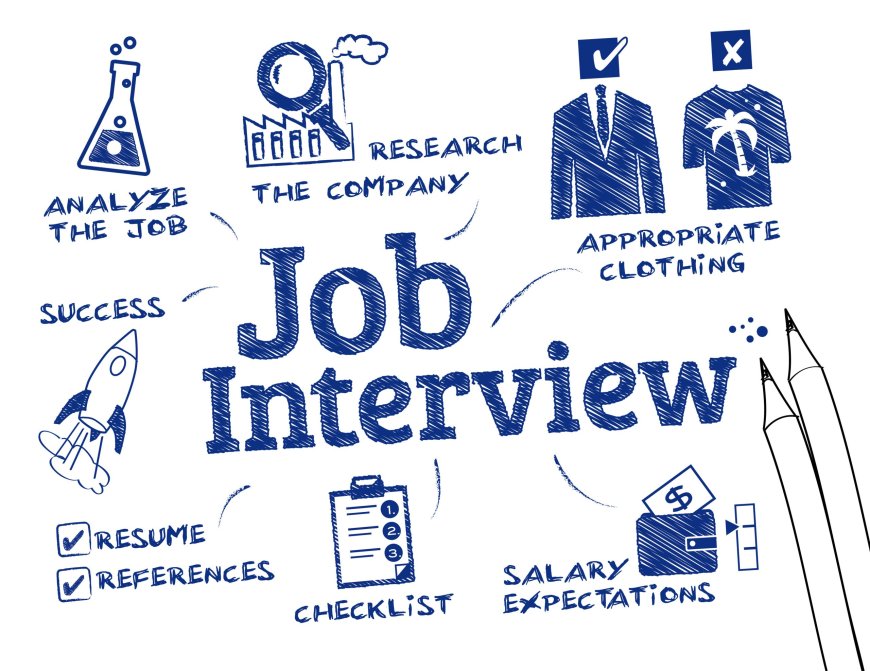
Securing a job interview is a significant milestone in any career journey, but the preparation that precedes it often determines the outcome. Adequate preparation not only demonstrates professionalism and enthusiasm but also allows candidates to present themselves as the best fit for the role. This guide outlines key strategies for interview readiness, encompassing company research, understanding the job requirements, formulating thoughtful questions, practicing interview techniques, and post-interview etiquette.
1. Research the Company Thoroughly
Understanding the organization is a critical first step in interview preparation. Demonstrating knowledge of the company conveys genuine interest and helps you tailor your responses to align with its mission and values.
Learn the Mission and Values: Begin by reviewing the company’s website, annual reports, and press releases to understand its goals, core values, and strategic initiatives. Familiarity with recent accomplishments, new product launches, or industry recognition can provide context for thoughtful discussion during the interview.
Know the Company History: Understanding the organization’s background, including founding milestones and significant achievements, allows you to connect your experience to the company’s trajectory. For instance, highlighting relevant experience in a company’s area of growth can demonstrate alignment and readiness to contribute.
Understand the Workplace Culture: Platforms such as Glassdoor or LinkedIn can provide insights into the organizational culture, leadership style, and employee experiences. Knowing the cultural environment helps you assess fit and allows you to frame your answers in a way that resonates with interviewers, whether it involves teamwork, innovation, or client engagement.
2. Understand the Job Description
The job description is a roadmap to what the company values most in candidates. Thoroughly analyzing it ensures that you emphasize the right skills and experiences during your interview.
Highlight Key Requirements: Identify the qualifications, technical competencies, and soft skills that the company emphasizes. Pay attention to repeated phrases or responsibilities, as these often indicate areas of focus for interview questions.
Match Your Skills to the Role: Prepare examples from your past experience that directly relate to the required competencies. The STAR method—Situation, Task, Action, Result—is highly effective for structuring these examples, allowing you to demonstrate tangible results and problem-solving abilities. For example, if leadership is emphasized, describe a situation where you successfully guided a team through a challenging project.
Anticipate Competency-Based Questions: Many interviews include scenario-based or behavioral questions designed to assess how you would approach real-world challenges. Preparing in advance ensures that you can articulate experiences clearly, highlighting both technical expertise and interpersonal skills.
3. Prepare Thoughtful Questions
Asking insightful questions is not merely a formality; it reflects curiosity, strategic thinking, and your commitment to the role. Well-prepared questions also allow you to evaluate whether the company aligns with your career goals.
Topics to Consider:
-
Growth and Development: Ask about professional development opportunities, mentorship programs, and pathways for advancement.
-
Team Dynamics: Understanding how teams collaborate, the management style, and cross-functional interactions can help you assess your potential fit.
-
Company Goals: Inquire about strategic priorities and upcoming projects to demonstrate engagement with the organization’s vision.
These questions show that you are thinking beyond the immediate role, considering long-term contribution and alignment with organizational objectives.
4. Practice Interview Techniques
Confidence and clarity in communication are essential during an interview. Practicing beforehand can reduce anxiety and improve performance.
Mock Interviews: Conduct practice interviews with friends, mentors, or career coaches. Simulate real interview scenarios to refine responses, tone, and body language.
Communication Skills: Focus on speaking clearly, concisely, and positively. Pay attention to pacing, eye contact, and posture. Strong nonverbal cues often leave a lasting impression on interviewers.
Handling Difficult Questions: Prepare strategies for challenging questions, such as addressing gaps in employment or discussing areas for improvement. Rehearsing answers ensures you can respond confidently without hesitation.
5. Dress Appropriately
Professional appearance significantly impacts first impressions. Dressing in alignment with the company’s dress code demonstrates respect for the organization and confidence in your presentation.
Business Professional vs. Business Casual: Research the expected attire for the company. When in doubt, it is safer to opt for a more formal presentation, as this signals seriousness and professionalism.
Personal Grooming: Attention to grooming and accessories complements professional attire and reinforces a polished overall impression.
6. Follow-Up After the Interview
The post-interview phase is an opportunity to reinforce your interest and leave a positive impression.
Send a Thank-You Email: Express appreciation for the interviewers’ time and reiterate your enthusiasm for the role. Highlight a key takeaway from the conversation or an aspect of the company that excites you.
Reinforce Fit and Contribution: Briefly summarize how your skills and experiences align with the company’s needs, emphasizing your potential to add value. This can differentiate you from other candidates and keep you top of mind as the selection process progresses.
Conclusion
Preparing for an interview involves more than memorizing answers; it requires a comprehensive understanding of the company, the role, and how your unique experiences and skills align with organizational goals. By conducting thorough research, practicing effective communication, dressing professionally, and following up thoughtfully, candidates can approach interviews with confidence and poise. These strategies not only increase the likelihood of success but also lay the foundation for meaningful engagement with potential employers, fostering long-term career growth and professional development.