Trump Demands Iran’s “Unconditional Surrender"
The conflict between the United States, Israel, and Iran continues to escalate as former U.S. President Donald Trump demands Iran’s “unconditional surrender.” Intensifying airstrikes on Tehran, retaliatory missile attacks, and growing international involvement have heightened fears of a broader Middle East war. Military operations, political tensions, and global reactions are shaping one of the most significant geopolitical crises in recent years.
 admin
admin
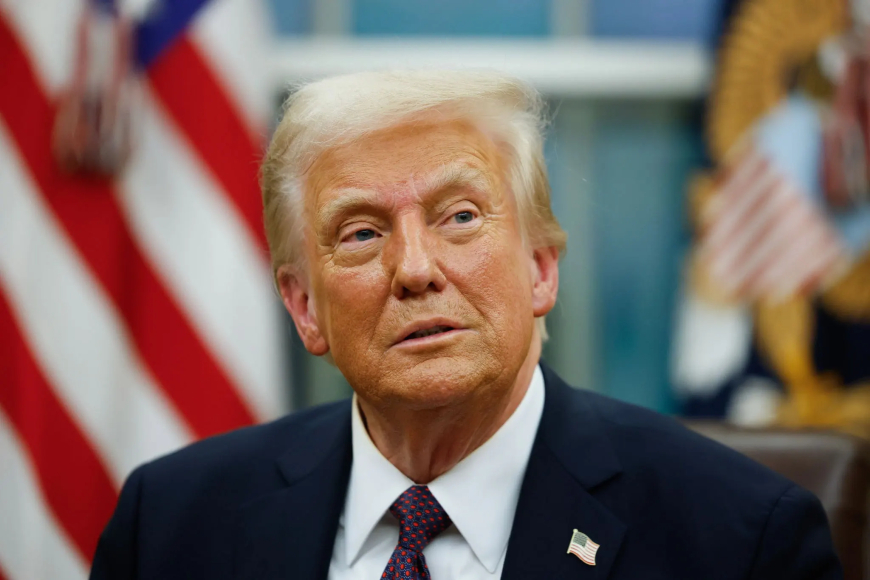
Escalating Conflict in the Middle East: Trump Demands Iran’s “Unconditional Surrender” as War Intensifies
The conflict between the United States, Israel, and Iran has entered a dangerous new phase, with military operations intensifying across the region and political rhetoric reaching unprecedented levels. As the war moves into its seventh day, former U.S. President Donald Trump has renewed his demand that Iran accept what he describes as “unconditional surrender” as the only viable path to ending the hostilities. His statement underscores the growing tension in the Middle East, where ongoing military strikes, retaliatory attacks, and diplomatic pressure are reshaping the geopolitical landscape.
A Week of Escalating Military Operations
Over the past several days, the United States and Israel have conducted coordinated military operations targeting Iran’s strategic capabilities. These strikes have focused primarily on military installations, leadership infrastructure, and elements of Iran’s nuclear development program. According to military officials, the objective has been to weaken Iran’s ability to project power and reduce potential threats against regional allies.
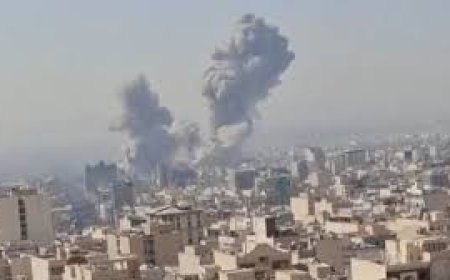
Israeli warplanes reportedly carried out heavy aerial bombardments in Tehran, targeting underground facilities believed to house command centers and military leadership structures. Israeli defense sources claim that one such operation destroyed a fortified underground bunker that had allegedly been connected to Iran’s highest levels of leadership.
The attacks have intensified fears of a wider regional war. Residents of Tehran described scenes of chaos as air raid sirens sounded across the city and explosions echoed through residential districts. Meanwhile, reports indicate that bombardments in neighboring Lebanon have caused thousands of civilians to flee their homes in search of safety.
Iran’s Retaliation Across the Region
In response to the coordinated strikes, Iran launched a new wave of missile and drone attacks directed toward Israeli territory and strategic locations in the Gulf region. Iranian officials have framed these actions as defensive retaliation against what they describe as “aggression” from foreign powers.
Several projectiles were reportedly intercepted by Israeli and allied defense systems, though some managed to reach their intended targets, causing damage to infrastructure and heightening regional alarm. Military analysts warn that continued retaliation from both sides risks pushing the conflict into a broader confrontation involving additional Middle Eastern states.
Iran’s leadership has vowed that it will continue to defend its sovereignty and respond to any attacks on its territory. The ongoing exchange of strikes demonstrates how quickly tensions in the region can escalate when major powers become directly involved.
Trump’s Demand for “Unconditional Surrender”
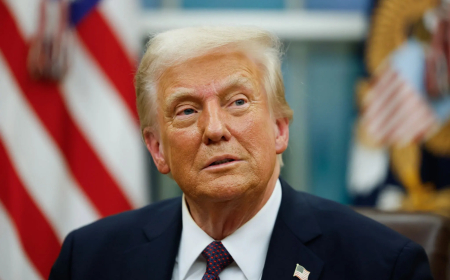
Amid the intensifying conflict, Donald Trump took to his social media platform to express his views on how the war should end. In a series of posts, he argued that negotiations with Iran would only be possible if the country first agreed to what he described as “unconditional surrender.”
Trump also suggested that the international community should play a role in selecting a new leadership structure for Iran following the end of hostilities. According to his statement, the goal would be to establish leadership capable of rebuilding the country and restoring stability after the conflict.
He wrote that once such leadership was in place, the United States and its allies could help Iran recover economically and politically, potentially transforming the nation into what he described as a stronger and more prosperous state.
His remarks sparked immediate reactions from political observers, who noted that calls for unconditional surrender echo historical wartime language rarely used in modern diplomatic discourse.
Expanding Military Presence and Strategy
As the war continues, American military leadership has signaled that operations against Iranian targets may intensify. U.S. Defense Secretary Pete Hegseth warned that American forces are preparing to significantly increase the level of military activity in the region.
He indicated that additional fighter squadrons, advanced defensive systems, and bomber aircraft would be deployed to expand the scope of ongoing operations. According to Hegseth, the strategy is intended to maintain overwhelming military pressure while protecting allied forces and strategic interests.
Officials from the United States Central Command (CENTCOM) have also reported that dozens of Iranian vessels have been destroyed since the launch of the operation, which began earlier in the week. These maritime losses are believed to have significantly affected Iran’s ability to maneuver naval forces in the region.
The Role of British Military Bases
Another major development in the conflict involves the United Kingdom’s decision to allow American forces limited access to British military bases for operational support. Earlier in the crisis, the United States had reportedly expressed frustration with Britain’s reluctance to grant full access to these facilities.
However, British Prime Minister Keir Starmer has since adjusted the policy, permitting their use for what officials described as a “limited and specific defensive purpose.” The decision came after Iran launched retaliatory strikes that threatened regional allies and international shipping routes.
British leaders have emphasized that their involvement is focused primarily on defensive measures designed to protect allied interests in the Middle East.
The United Kingdom’s Strategic Position
The United Kingdom has been careful to frame its role in the conflict as protective rather than offensive. Officials in London have stated that their primary objective is to defend allies and prevent further attacks that could destabilize the region.
Foreign Secretary David Lammy suggested that British Royal Air Force jets could legally target missile launch sites if such strikes were necessary to prevent attacks on British personnel or interests in the Middle East. This statement reflects a noticeable shift toward a more assertive position in response to the evolving conflict.
A spokesperson for the British government reiterated that the country remains committed to supporting its allies while maintaining defensive operations in regional airspace. The spokesperson also confirmed that cooperation with the United States includes efforts to intercept incoming missiles and neutralize threats before they reach populated areas.
Regional Protests and Public Reaction
While governments debate strategy and military forces continue their operations, public reaction across the region has been intense. In several cities, demonstrators have taken to the streets to protest the conflict and express their anger toward foreign involvement in Middle Eastern affairs.
In one notable demonstration, Shiite protesters burned effigies of Donald Trump and Israeli Prime Minister Benjamin Netanyahu, symbolizing their opposition to the military campaign. Images from the protests circulated widely online, reflecting the deep political and emotional divisions surrounding the conflict.
Analysts warn that such demonstrations could further inflame tensions, particularly if civilian casualties increase or if the conflict spreads to additional countries.
A Conflict with Global Implications
The war between the United States, Israel, and Iran is rapidly becoming one of the most consequential geopolitical crises in recent years. With each passing day, the possibility of broader regional involvement grows, raising concerns among international leaders and diplomatic organizations.
Global markets have already begun reacting to the instability, particularly in the energy sector, where disruptions in the Middle East can have far-reaching economic effects. At the same time, humanitarian groups are warning of potential refugee crises if the fighting spreads to densely populated areas.
Diplomats from several countries have called for urgent negotiations to de-escalate the situation before it spirals into a full-scale regional war. However, with military operations intensifying and political rhetoric hardening, the path to diplomacy remains uncertain.
Looking Ahead
As the conflict continues into its second week, the world watches closely to see whether military escalation or diplomatic intervention will shape the next chapter of the crisis. The coming days may determine whether the region moves toward further confrontation or finds a pathway toward peace.
For now, the war shows little sign of slowing, with both sides preparing for prolonged engagement. What began as targeted strikes has rapidly evolved into a complex geopolitical confrontation—one that could reshape the balance of power in the Middle East for years to come.