
Renewable Energy Investment: A Catalyst for Global Economic Transformation
An in-depth exploration of how renewable energy investment is reshaping the global economy, highlighting the growth of solar, wind, and emerging clean technologies, the economic opportunities they create, and the policy frameworks driving the transition toward sustainable energy.
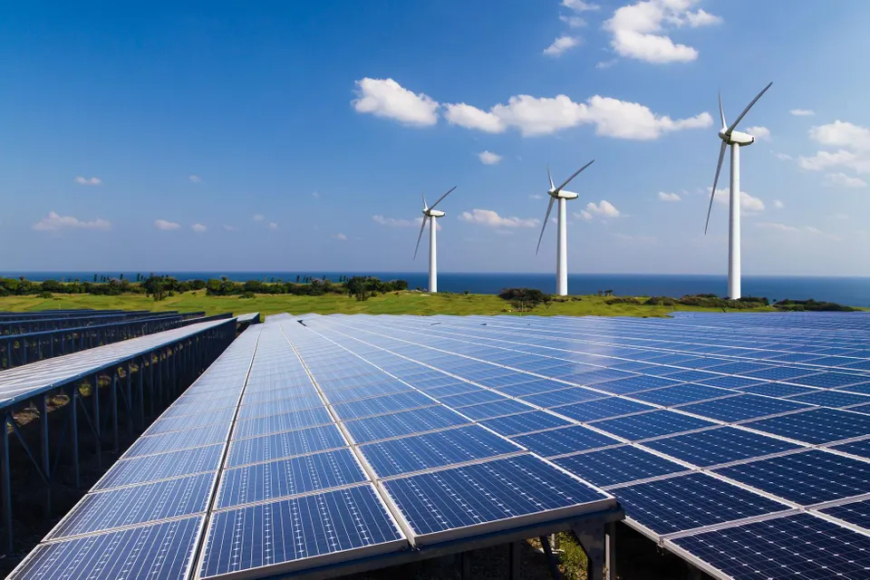
The global energy system is experiencing one of the most profound transformations in modern economic history. As nations confront the realities of climate change, volatile fossil fuel markets, and growing energy demand, renewable energy has emerged as a central pillar in reshaping the global economic landscape. Governments, corporations, and financial institutions are increasingly channeling significant investments into renewable technologies, recognizing that sustainable energy development not only addresses environmental concerns but also stimulates economic growth, innovation, and job creation.
Over the past decade, renewable energy has shifted from being a niche sector supported primarily by environmental policies to becoming a strategic economic priority for many countries. Advances in technology, declining production costs, and supportive policy frameworks have accelerated the deployment of renewable energy infrastructure worldwide. Solar farms, wind turbines, hydroelectric plants, and other clean energy technologies are now playing a crucial role in meeting global energy needs while reducing dependence on fossil fuels.
The Rise of Global Renewable Energy Investment
Investment in renewable energy has grown rapidly in recent years as countries seek to transition toward low-carbon economies. Global capital flows into clean energy projects have reached unprecedented levels, reflecting growing confidence among investors in the long-term viability of renewable technologies. According to the International Energy Agency, global spending on renewable energy infrastructure exceeded $1.2 trillion in 2025, representing a significant increase compared to the previous year.
Solar power, wind energy, and hydroelectric projects currently attract the largest share of this investment. Solar energy, in particular, has become one of the fastest-growing sources of electricity due to declining installation costs and improvements in photovoltaic technology. Large-scale solar farms are being developed across regions with abundant sunlight, while smaller rooftop systems are enabling households and businesses to generate their own electricity.
Wind power is another key driver of the renewable energy transition. Onshore wind farms continue to expand across rural landscapes, while offshore wind installations are rapidly gaining momentum in coastal regions. Offshore wind technology allows countries with limited land resources to harness strong ocean winds to produce large amounts of electricity.
Beyond these established technologies, emerging energy solutions such as green hydrogen, advanced battery storage, and floating offshore wind platforms are attracting increasing attention from investors. These innovations have the potential to further accelerate the global shift toward sustainable energy systems.
Renewable Energy as an Engine for Economic Growth
The expansion of renewable energy industries has generated significant economic opportunities across multiple sectors. Unlike traditional energy industries that often concentrate economic benefits within a limited number of regions, renewable energy projects can stimulate economic activity in diverse geographic areas.
Construction of solar farms, wind parks, and hydroelectric plants requires large numbers of skilled workers, engineers, technicians, and project managers. Manufacturing facilities produce solar panels, turbines, and energy storage systems, while research institutions develop new technologies to improve efficiency and reduce costs. In addition, long-term maintenance and operation of renewable energy facilities create stable employment opportunities.
Across Europe, renewable energy has already become a major contributor to employment growth. Industry projections indicate that millions of jobs will be supported by clean energy projects in the coming years. Employment opportunities span multiple industries, including equipment manufacturing, installation services, energy consulting, and environmental engineering.
Emerging economies are also benefiting from the rapid expansion of renewable energy investment. Countries such as India, Brazil, and Kenya have made significant progress in developing renewable energy infrastructure. These investments are helping to stimulate industrial development, attract foreign capital, and improve access to electricity in regions that previously experienced energy shortages.
In rural communities, renewable energy projects often provide new sources of income and infrastructure development. Wind farms and solar installations can generate local revenue through land leasing agreements, while also improving transportation networks and grid connectivity.
Enhancing Energy Security and Reducing Import Dependence
Another important benefit of renewable energy investment is its contribution to energy security. Many countries rely heavily on imported fossil fuels such as oil, natural gas, and coal to meet their energy demands. Fluctuations in global commodity prices and geopolitical tensions can disrupt these supply chains, creating economic instability.
By developing domestic renewable energy resources, countries can reduce their vulnerability to external energy shocks. Solar power, wind energy, and hydropower rely on natural resources that are widely available in many regions of the world. Once installed, renewable energy facilities can generate electricity without the need for continuous fuel imports.
In several parts of Africa and Southeast Asia, renewable energy technologies are being deployed to improve access to reliable electricity. Solar microgrids, for example, provide decentralized power solutions for rural communities that are not connected to national electricity networks. These systems allow households, schools, and small businesses to access affordable electricity while reducing reliance on expensive diesel generators.
Wind farms and biomass energy projects are also being introduced in regions seeking to diversify their energy mix. By combining different renewable energy sources, countries can create more stable and resilient power systems that support long-term economic development.
Technological Innovation in the Renewable Energy Sector
Technological progress has played a crucial role in the rapid expansion of renewable energy. Improvements in photovoltaic cells, wind turbine efficiency, and battery storage systems have significantly reduced the cost of generating clean electricity.
Solar panel prices, for instance, have declined dramatically over the past two decades due to advances in manufacturing processes and economies of scale. As a result, solar power has become competitive with traditional fossil fuel generation in many markets.
Battery storage technology is another important innovation that supports renewable energy integration. Because solar and wind power generation can vary depending on weather conditions, energy storage systems allow excess electricity to be stored and used when demand is high. Large-scale battery facilities are now being deployed alongside renewable energy plants to stabilize power grids and ensure consistent electricity supply.
Green hydrogen technology is also gaining traction as a potential solution for decarbonizing industries that are difficult to electrify, such as heavy manufacturing and long-distance transportation. Produced using renewable electricity, green hydrogen can serve as a clean fuel alternative for sectors that traditionally rely on fossil fuels.
Policy Frameworks Supporting Clean Energy Investment
Government policies and regulatory frameworks play a critical role in accelerating renewable energy deployment. Many countries have introduced incentives designed to encourage private investment in clean energy infrastructure. These incentives may include tax credits, subsidies, grants, and long-term power purchase agreements that provide financial stability for investors.
The European Union has implemented several initiatives aimed at promoting renewable energy development. One notable example is the Green Deal Industrial Plan, which seeks to strengthen Europe’s clean technology sector while reducing greenhouse gas emissions.
In the United States, the Inflation Reduction Act has introduced substantial tax incentives and funding programs to support renewable energy projects, electric vehicle manufacturing, and energy-efficient infrastructure. These policies aim to stimulate innovation, expand domestic manufacturing capacity, and accelerate the transition toward a low-carbon economy.
Other countries have introduced renewable energy targets that require utilities to generate a certain percentage of electricity from clean sources. These policies help create stable market demand for renewable energy technologies and encourage long-term investment.
Challenges Facing Renewable Energy Expansion
Despite the strong growth of renewable energy investment, the transition toward sustainable energy systems is not without challenges. One of the primary barriers remains the high upfront cost associated with constructing renewable energy infrastructure. Although operating costs are generally lower than those of fossil fuel plants, the initial capital required for solar farms, wind parks, and grid upgrades can be substantial.
Another challenge is the intermittent nature of some renewable energy sources. Solar power generation depends on sunlight, while wind energy depends on wind conditions. This variability can create difficulties for electricity grid operators who must balance supply and demand in real time.
Grid infrastructure itself must also be upgraded to accommodate growing renewable energy capacity. Many existing electricity networks were designed around centralized fossil fuel power plants rather than distributed renewable energy systems. Modernizing transmission lines, integrating smart grid technologies, and expanding energy storage capacity are essential steps in enabling a more flexible and resilient energy system.
The Future of Renewable Energy and Global Economic Development
Looking ahead, the role of renewable energy in the global economy is expected to continue expanding. Analysts predict that by the end of this decade, renewable sources could account for a majority share of global electricity generation. This transition will not only reduce greenhouse gas emissions but also reshape international trade patterns and industrial strategies.
Companies that invest early in renewable energy infrastructure and sustainable technologies are likely to gain significant competitive advantages. As consumers increasingly prioritize environmentally responsible products and services, businesses that align with sustainability goals may experience stronger market demand.
Furthermore, renewable energy development has the potential to stimulate new industries, including energy storage manufacturing, hydrogen production, and smart grid technologies. These emerging sectors could become major drivers of economic growth in the coming decades.
Renewable energy investment is rapidly transforming both the global energy system and the broader economic landscape. What was once considered a niche environmental initiative has evolved into a central component of national economic strategies and international development policies.
By promoting clean energy technologies, countries can reduce carbon emissions, enhance energy security, create employment opportunities, and stimulate long-term economic growth. While challenges such as infrastructure development and financing remain, continued innovation and policy support are likely to accelerate the transition toward a sustainable energy future.
As the world moves toward cleaner and more resilient energy systems, renewable energy will continue to play a critical role in shaping global economic transformation. The nations and businesses that embrace this transition today will be better positioned to thrive in the rapidly evolving economy of tomorrow.













Comments (0)