Trump Urges International Support to Secure the Strait of Hormuz
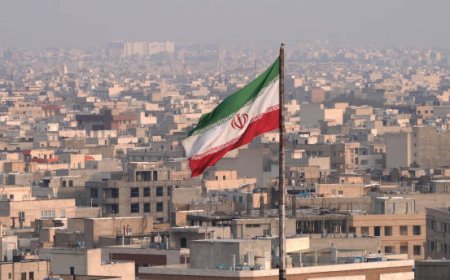
Rising geopolitical tensions surrounding the Strait of Hormuz have drawn global attention after U.S. President Donald Trump called for international naval support to secure the critical oil shipping route. As Iran rejects U.S. claims about its military capabilities and regional strikes intensify, concerns are growing over the safety of one of the world’s most important maritime trade corridors and its potential impact on global energy markets.
 admin
admin
Rising geopolitical tensions in the Middle East have once again placed the strategically crucial Strait of Hormuz at the center of international attention. Statements made by Donald Trump have sparked renewed debate about military involvement in the region, the security of global energy supply routes, and the potential escalation of conflict between the United States and Iran.
Trump Calls for International Naval Support
In a message posted on his social media platform Truth Social, President Trump stated that decisive action would soon be taken to ensure that the Strait of Hormuz remains open and secure. According to the president, the United States is prepared to work with allied nations to prevent any disruption to maritime traffic passing through the vital shipping corridor.
Trump specifically called on several major economies—including China, France, Japan, South Korea, and the United Kingdom—to consider deploying naval vessels to the region. He argued that a multinational maritime presence would help guarantee safe passage for commercial ships and prevent the waterway from becoming a point of leverage or conflict.
According to Trump, the objective of such cooperation would be to ensure that the channel remains “open, safe, and free” for international trade. The president also suggested that multiple countries are already considering sending warships to assist in securing the passage, emphasizing that global commerce depends heavily on uninterrupted movement through the strait.
Heightened Military Activity in the Gulf
While advocating for multinational support, Trump also issued strong warnings toward Iran. In his post, he suggested that the United States is prepared to take aggressive action to prevent Iranian forces from threatening maritime traffic in the region.
He claimed that American forces had significantly weakened Iran’s military capacity. However, he acknowledged that the country still possesses asymmetric warfare capabilities, including drones, naval mines, and short-range missile systems that could potentially target ships traveling through the narrow waterway.
The comments came amid reports of heightened military tension across the Persian Gulf. Over a period of less than 48 hours, six commercial vessels were reportedly attacked in the Gulf, raising alarm among global shipping companies and international security analysts.
Iran Rejects U.S. Claims
Iranian officials quickly pushed back against Trump’s assertions. Ali Bahrani, speaking from Geneva, dismissed the American president’s claims that Iran’s military capabilities had been eliminated.
Bahrani described the remarks as unfounded and accused Washington of spreading misinformation about Tehran’s defensive strength. According to Iranian representatives, the country remains fully capable of defending its territory and responding to threats against its sovereignty.
New Iranian Leadership Signals Firm Position
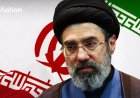
The situation intensified further following a statement from Mojtaba Khamenei, who recently assumed the role of Iran’s supreme leader. In his first public remarks since taking office, Khamenei vowed that Iran would continue efforts to block or control the Strait of Hormuz if necessary, framing the move as a strategic response to external pressure and sanctions.
Such rhetoric has heightened concerns among international observers, as any attempt to close or restrict the strait could disrupt a significant portion of the world’s oil supply.
Continued Strikes Across the Region
Beyond maritime tensions, the broader Middle East has witnessed an escalation of hostilities. Air raid sirens were reported in Jerusalem after the Israel Defense Forces detected incoming attacks allegedly launched from Iran.
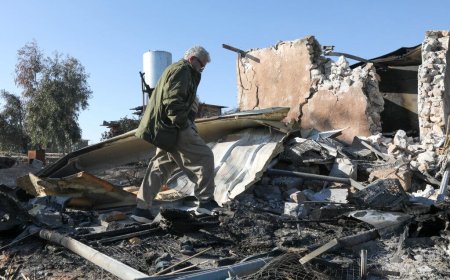
Meanwhile, Trump announced that U.S. forces had carried out strikes against Iranian military infrastructure located on Kharg Island, a site considered critical to the country’s energy exports. According to the U.S. president, the facilities targeted during the operation were “completely destroyed.”
Iranian officials responded with stern warnings of retaliation. Tehran suggested that energy infrastructure belonging to companies cooperating with the United States could become legitimate targets in any future confrontation.
Why the Strait of Hormuz Matters
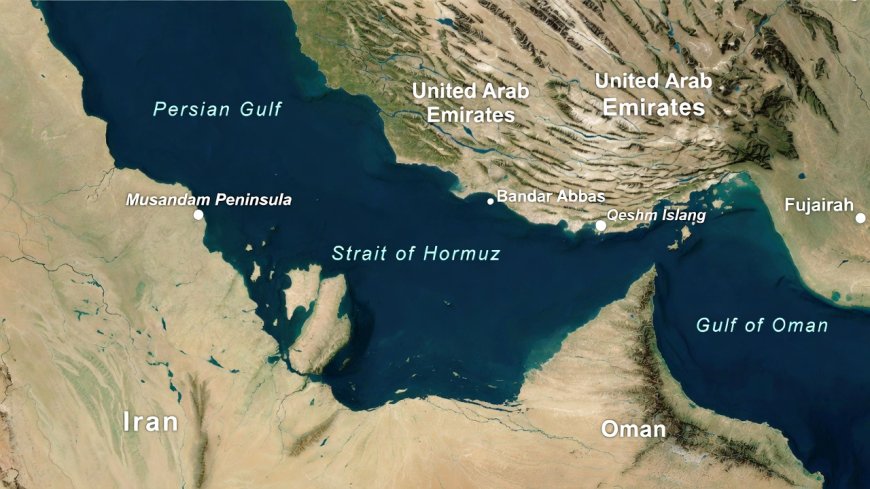
The Strait of Hormuz is widely regarded as one of the most important maritime chokepoints in the global energy network. The narrow passage connects the Persian Gulf to the Gulf of Oman and serves as a major transit route for oil and natural gas shipments.
Energy analysts estimate that roughly one-fifth of the world’s petroleum passes through the strait each day. As a result, any disruption—whether caused by military conflict, blockades, or attacks on shipping—can trigger immediate volatility in global oil markets.
For many countries, including large energy importers such as Japan, South Korea, and China, uninterrupted access to this shipping lane is critical for economic stability. This dependence explains why the international community closely monitors developments in the region and why calls for multinational naval cooperation often emerge during periods of crisis.
Growing Concerns Over Global Impact
Security experts warn that escalating rhetoric and military operations could significantly increase the risk of a broader regional conflict. With multiple countries relying heavily on the same shipping route, any prolonged instability in the Strait of Hormuz could have ripple effects across global trade, fuel prices, and geopolitical alliances.
For now, diplomatic channels remain active, though tensions remain high. The coming weeks will likely determine whether international cooperation can help stabilize the region—or whether the strategic waterway will become the focal point of a wider confrontation.