Iran Names Mojtaba Khamenei New Supreme Leader
Iran enters a new political era as Mojtaba Khamenei, son of the late supreme leader, is appointed as the country’s new leader during a time of war and regional tension. The decision by the Assembly of Experts marks a historic transition of power and raises global attention over Iran’s military authority, nuclear policy, and international relations.
 admin
admin
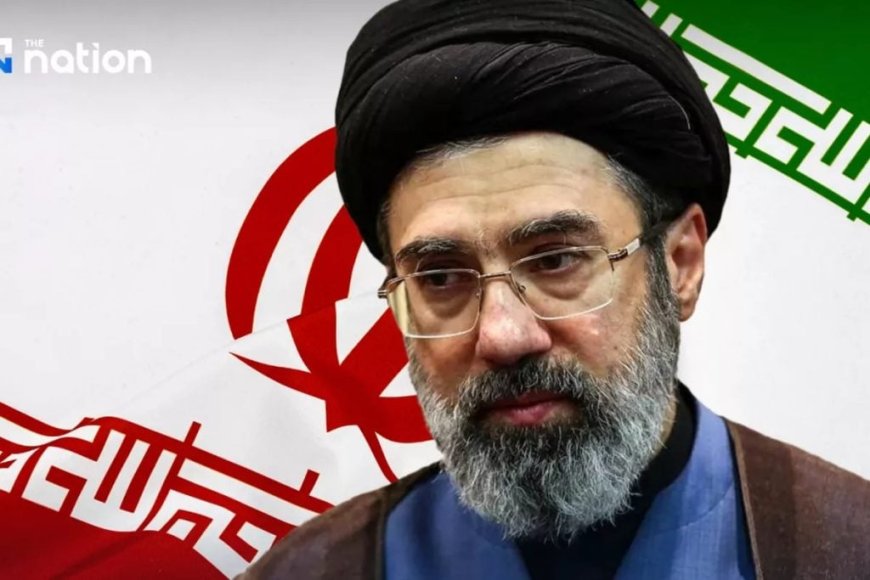
Mojtaba Khamenei Emerges as Iran’s New Supreme Leader Amid Wartime Turmoil
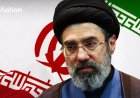
Iran entered a new and uncertain political chapter early Monday after state television announced that Mojtaba Khamenei, the son of the country’s late supreme leader, had been chosen to assume the nation’s most powerful position. The announcement comes in the midst of a tense regional conflict that began just over a week ago with the assassination of his father, an event that dramatically reshaped Iran’s political landscape and intensified geopolitical tensions across the Middle East.
The decision marks a historic moment for the Islamic Republic. Since the 1979 Islamic Revolution, which transformed Iran into a theocratic state governed by clerical authority, there has been only one previous transition of power in the office of supreme leader. The role carries enormous influence, as the supreme leader serves not only as the country’s highest religious authority but also as the ultimate political decision-maker.
A Long-Considered Successor
Mojtaba Khamenei, now 56 years old, has long been regarded by political observers and insiders as a potential successor to his father. Despite never having held an elected office or a formal government post, he maintained significant influence behind the scenes within Iran’s complex political system. His connections within religious institutions and security structures had often been cited by analysts as factors that could position him for a future leadership role.
Since the outbreak of the conflict and the death of his father, however, Mojtaba Khamenei had remained largely absent from the public eye. There were no major public statements, appearances, or official communications attributed to him during the initial days of the war. This silence led to speculation about the internal deliberations taking place within Iran’s political and religious leadership.
Those questions were answered when Iranian state television broadcast an official announcement confirming that the Assembly of Experts—the powerful clerical body responsible for selecting and overseeing the supreme leader—had voted to appoint him as the country’s new leader.
Decision by the Assembly of Experts
According to the statement read on state television, Mojtaba Khamenei was selected with what the assembly described as “strong support” among its members. The Assembly of Experts, composed primarily of senior clerics, holds constitutional authority to appoint and, if necessary, dismiss the supreme leader.
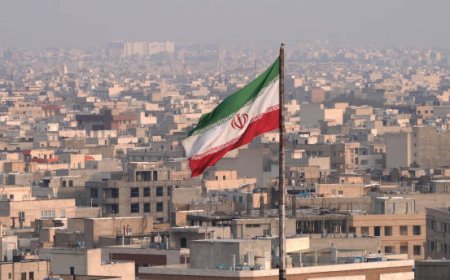
In its message to the public, the assembly urged Iranians to rally behind the new leader and maintain unity during what it called a “critical period for the nation.” The televised announcement included scenes from parts of Tehran where groups of people were seen celebrating, waving flags, and expressing support for the decision.
However, reports prior to the announcement suggested that there had been internal disagreements among Iranian officials about the succession process. The weeks following the elder Khamenei’s death were marked by uncertainty as political factions and religious leaders debated the future direction of the country.
A Secretive Figure at the Center of Power
Unlike many high-ranking Iranian political figures who frequently appear in public or hold visible government positions, Mojtaba Khamenei has largely operated out of the spotlight. Over the years, he developed a reputation as a private and somewhat enigmatic figure, rarely giving interviews or making public speeches.
Despite this low profile, those familiar with Iran’s internal political dynamics have often described him as an influential player within key power structures. His ties to religious seminaries, political networks, and security institutions have contributed to his standing among conservative factions.
Now, as supreme leader, Mojtaba Khamenei will assume sweeping authority over the country. The position grants him ultimate control over Iran’s military forces, including the powerful Islamic Revolutionary Guard Corps, which plays a central role in both national security and regional operations.
As commander-in-chief, he will oversee strategic military decisions at a time when tensions remain high due to the ongoing conflict that erupted after his father’s death. The office also grants him final say over critical aspects of domestic and foreign policy.
Nuclear Policy and Strategic Authority
One of the most consequential aspects of the new leader’s role involves Iran’s nuclear program. The supreme leader holds the authority to determine the country’s strategic direction regarding nuclear development.
Iran currently possesses significant stockpiles of highly enriched uranium, material that experts say could potentially be used to produce nuclear weapons if further refined. Any decision regarding the expansion, limitation, or weaponization of this capability ultimately rests with the supreme leader.
Because of this authority, Mojtaba Khamenei’s leadership will likely be closely scrutinized by the international community, particularly Western governments that have long expressed concern over Iran’s nuclear ambitions.
International Reaction and U.S. Criticism
The appointment has already drawn attention from global leaders, including officials in Washington. Prior to the announcement, U.S. President Donald Trump had publicly voiced opposition to the possibility of Mojtaba Khamenei assuming power.
In remarks reported by international media, Trump said he did not support the idea of the former leader’s son taking control of the country. He suggested that Iran would benefit from leadership focused on stability and reconciliation.
Trump also indicated that the United States expects to play a role in shaping the political future of Iran once the current conflict comes to an end. According to comments he made during a television interview, any new leadership emerging from the crisis would face significant challenges if it lacked broader international acceptance.
The White House had not issued an immediate official statement following the state television announcement.
A Defining Moment for Iran
For Iran, the elevation of Mojtaba Khamenei represents both continuity and uncertainty. On one hand, his selection suggests that influential clerical and political circles favored maintaining a leadership line closely connected to the previous administration. On the other hand, the circumstances surrounding his rise—coming during wartime and following the dramatic assassination of his father—make this transition particularly significant.
The coming months will likely determine how firmly the new leader consolidates power and how his leadership shapes Iran’s domestic stability, military strategy, and international relations.
As the country navigates a period of heightened tension and geopolitical scrutiny, Mojtaba Khamenei now finds himself at the center of one of the most powerful and complex political systems in the Middle East. The decisions he makes in the early days of his leadership may have lasting consequences not only for Iran but also for the broader global landscape.