
Global Supply Chain Disruptions and Their Impact on International Trade
An in-depth analysis of global supply chain disruptions and their impact on international trade, examining shipping bottlenecks, semiconductor shortages, rising freight costs, and strategies businesses and governments are adopting to build resilient supply networks in a rapidly changing global economy.
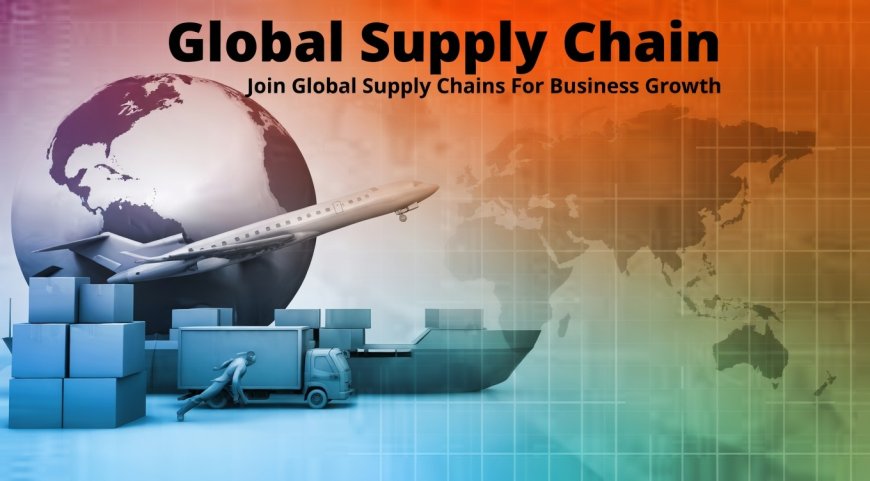
In the modern era of globalization, international trade is deeply dependent on complex and highly interconnected supply chains. Over the past few decades, advances in transportation, digital technology, and global cooperation have allowed companies to source raw materials, manufacture products, and distribute goods across multiple continents with remarkable efficiency. However, this interconnected system also means that disruptions in one part of the world can quickly ripple through global markets. Recent global events have revealed how vulnerable supply chains can be, prompting governments, businesses, and economists to reconsider how international trade networks should operate in a more uncertain world.
From the economic shock of the COVID-19 pandemic to rising geopolitical tensions and environmental regulations, global supply chains have faced unprecedented disruptions. These challenges have not only delayed shipments and increased costs but have also reshaped trade patterns, forcing industries to rethink sourcing strategies, production locations, and risk management practices. As the world moves deeper into 2026, the effects of these disruptions continue to influence the pace and stability of global trade.
The Growing Complexity of Global Supply Chains
Over the last several decades, businesses have adopted strategies designed to minimize costs and maximize efficiency. One of the most prominent approaches has been the development of global supply networks where different stages of production occur in different countries. For example, a single electronic device may involve raw materials sourced from Africa, components manufactured in Asia, assembly in another region, and final distribution to markets in Europe or North America.
While this model has reduced production costs and expanded consumer access to goods, it has also created dependencies across continents. When one link in the chain fails—whether due to port congestion, factory shutdowns, or transportation delays—the entire system can slow down. The result is a domino effect that affects manufacturers, retailers, and consumers worldwide.
In recent years, analysts have increasingly warned that global supply chains, while efficient, have become fragile. A single disruption can affect multiple industries simultaneously, demonstrating how tightly interconnected modern trade networks have become.
Persistent Shipping Bottlenecks and Logistics Challenges
One of the most visible signs of supply chain disruption has been the congestion at major international ports. Maritime shipping remains the backbone of global trade, carrying more than 80 percent of the world’s goods by volume. However, since the pandemic era, shipping routes and port operations have struggled to keep pace with fluctuating demand and operational challenges.
Major ports in Asia, Europe, and North America have periodically experienced severe congestion. High cargo volumes, labor shortages, stricter environmental regulations, and changes in consumer demand have slowed port operations. When cargo ships are forced to wait offshore for extended periods, the delays cascade throughout the global logistics network.
For manufacturers, these delays can lead to longer lead times for raw materials and components. Factories that rely on just-in-time production models often face temporary shutdowns when essential inputs fail to arrive on schedule. Retailers, in turn, may experience inventory shortages that disrupt sales cycles and customer satisfaction.
The rapid growth of e-commerce has further intensified pressure on logistics systems. Consumers now expect faster delivery times and greater product availability, placing additional strain on transportation networks that were not originally designed to handle such high volumes of small, frequent shipments.
The Semiconductor Shortage and Industrial Slowdowns
Among the most significant supply chain disruptions in recent years has been the global shortage of semiconductors. These tiny electronic components are essential for a wide range of products, including smartphones, computers, automobiles, and industrial machinery. When semiconductor production slowed during the pandemic, the impact was felt across multiple sectors.
Automobile manufacturers were among the hardest hit. Modern vehicles rely heavily on microchips to manage everything from engine performance to safety systems and entertainment features. As semiconductor supplies tightened, several automotive companies were forced to reduce production or temporarily close factories. This resulted in fewer vehicles available in the market and higher prices for consumers.
The electronics industry also faced challenges as manufacturers struggled to secure enough components to meet demand. Delays in chip production created bottlenecks in the manufacturing of consumer electronics, further contributing to supply shortages in global markets.
Rising Freight Costs and Inflationary Pressures
Supply chain disruptions have also driven a dramatic increase in transportation costs. Freight rates for both maritime shipping and air cargo surged during periods of high demand and limited capacity. These rising logistics expenses have had far-reaching economic consequences.
When transportation costs increase, businesses often pass those expenses on to consumers in the form of higher prices. As a result, supply chain disruptions have contributed to inflationary pressures in many countries. The cost of everyday goods—from electronics and clothing to household items—has risen as businesses attempt to maintain profitability amid higher operational costs.
Economists have noted that global trade growth has slowed compared with the strong expansion seen before the pandemic. Sluggish trade activity can limit economic growth, reduce investment opportunities, and create uncertainty in international markets.
The Impact on Emerging Economies
While supply chain disruptions affect all countries, emerging economies often face the greatest challenges. Many developing nations depend heavily on exports of intermediate goods, such as electronic components, textiles, or automotive parts. When global demand slows or manufacturing networks are disrupted, these export-oriented economies can experience significant declines in production and revenue.
In Southeast Asia, for example, semiconductor shortages have affected industries that depend on electronic manufacturing. Reduced production capacity has slowed exports and limited economic growth in several countries within the region.
African economies have encountered a different set of challenges. Many industries across the continent rely on imported raw materials and machinery to support domestic manufacturing. When supply chain disruptions increase the cost of imported inputs, local industries may struggle to maintain production levels. This can lead to reduced industrial output, fewer employment opportunities, and slower economic development.
Changing Strategies in Global Trade
In response to these challenges, businesses and governments are exploring new strategies to strengthen supply chain resilience. One approach involves diversifying supply sources rather than relying on a single country or supplier. By establishing relationships with multiple suppliers in different regions, companies can reduce the risk of major disruptions if one source becomes unavailable.
Another emerging trend is the development of regional manufacturing hubs. Instead of concentrating production in a single global center, companies are beginning to distribute manufacturing facilities across several regions. This approach allows businesses to serve local markets more efficiently while reducing reliance on long-distance transportation.
Nearshoring and reshoring strategies have also gained popularity. Nearshoring involves relocating production closer to major consumer markets, while reshoring refers to bringing manufacturing back to a company’s home country. Both strategies aim to reduce vulnerability to international transportation delays and geopolitical uncertainties.
The Role of Technology in Supply Chain Management
Technological innovation is playing a crucial role in strengthening supply chain resilience. Companies are increasingly adopting digital tools to monitor logistics networks, forecast demand, and identify potential disruptions before they escalate.
Artificial intelligence and predictive analytics can analyze vast amounts of data to anticipate supply shortages or transportation delays. By identifying risks early, businesses can adjust production schedules, reroute shipments, or secure alternative suppliers.
Blockchain technology is also gaining attention for its ability to improve transparency in global trade. By creating secure and traceable records of transactions, blockchain systems can help verify product origins, reduce fraud, and streamline customs procedures.
Digital supply chain platforms enable real-time communication between manufacturers, logistics providers, and retailers. These systems allow businesses to track shipments, manage inventory levels, and respond quickly to changing market conditions.
The Importance of International Cooperation
Addressing global supply chain challenges requires cooperation among governments, businesses, and international organizations. Trade policies that promote transparency and efficiency can play a critical role in reducing disruptions.
Efforts to modernize customs procedures and improve port infrastructure can accelerate cargo movement and reduce congestion. Investments in transportation networks, including railways, highways, and digital logistics systems, are essential for supporting efficient trade flows.
Regional trade agreements are also gaining importance as countries seek to strengthen economic collaboration. By reducing trade barriers and encouraging cross-border investment, regional partnerships can create more stable and diversified supply chains.
Opportunities for Innovation and Long-Term Resilience
Although supply chain disruptions pose significant challenges, they also create opportunities for innovation. Companies that invest in advanced logistics technologies, diversified sourcing strategies, and flexible production systems are better positioned to adapt to future uncertainties.
Resilient supply chains can support sustainable economic growth by ensuring that essential goods continue to flow even during periods of global instability. Businesses that embrace proactive risk management are likely to gain a competitive advantage in an increasingly unpredictable global market.
Conclusion
The recent wave of global supply chain disruptions has highlighted the vulnerability of international trade networks. From port congestion and semiconductor shortages to rising freight costs and geopolitical uncertainties, these challenges have reshaped the way businesses and governments approach global commerce.
As the world continues to navigate these complexities, the future of international trade will depend on adaptability, technological innovation, and international collaboration. By strengthening supply chain resilience and embracing new strategies for production and distribution, the global economy can transform these disruptions into opportunities for long-term stability and growth.
In an increasingly interconnected world, the ability to manage supply chain risks effectively will remain one of the most critical factors influencing the success of international trade in the years ahead.












Comments (0)