
CBN Directs Banks to Restrict Loan Defaulters from Accessing New Credit Facilities
The Central Bank of Nigeria has directed commercial banks to restrict large-ticket loan defaulters from accessing new credit facilities and certain banking services in order to strengthen financial stability and reduce systemic risks in the banking sector. The directive also requires banks to secure additional collateral for existing exposures while regulators monitor compliance under the Banks and Other Financial Institutions Act.
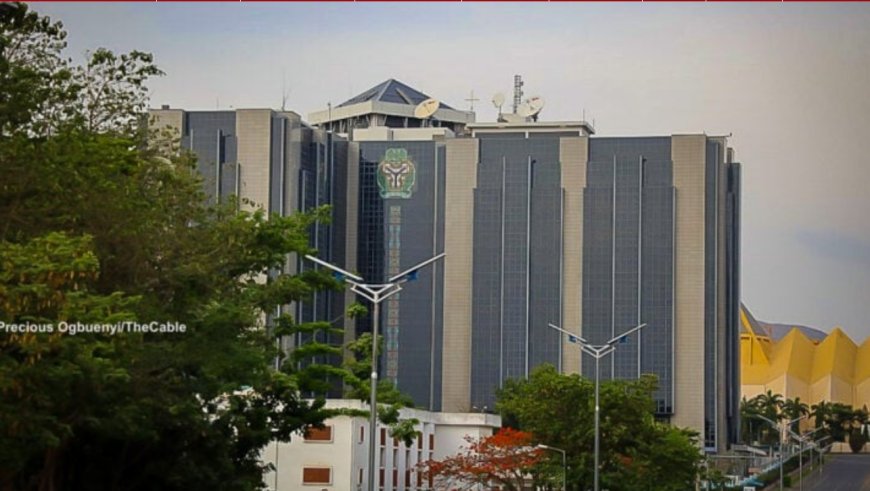
CBN Directs Banks to Restrict Loan Defaulters from Accessing New Credit Facilities
The Central Bank of Nigeria (CBN) has issued a new regulatory directive requiring commercial banks to restrict borrowers with outstanding non-performing loans—particularly those classified as large-ticket obligors—from accessing additional credit facilities within Nigeria’s banking system. The move is part of broader efforts by the apex bank to strengthen financial stability, protect depositors, and enforce stricter risk management practices across the banking sector.
The directive was communicated through an official circular addressed to deposit money banks and other financial institutions operating in Nigeria. According to the CBN, the policy is intended to curb credit abuse among borrowers with large loan exposures while ensuring that banks maintain sound lending practices.
Targeting Large-Ticket Borrowers
In banking terminology, a large-ticket obligor refers to an individual or corporate borrower with a substantial loan exposure to one or more financial institutions. These borrowers often access significant credit facilities due to the scale of their business activities or investment projects.
However, when such borrowers fail to meet repayment obligations, the impact can extend beyond individual banks and potentially affect the wider financial system.
The new CBN directive specifically targets borrowers whose loans have been classified as non-performing, meaning they have failed to meet repayment obligations within the agreed timeframe.
Under the regulation, any large-ticket borrower with a non-performing loan recorded in the country’s credit monitoring systems will be barred from obtaining new credit facilities from any financial institution.
Ban on Additional Credit Facilities
According to the circular issued by the Central Bank of Nigeria, banks must not grant additional credit to large-ticket borrowers whose non-performing loans are recorded in either the national credit monitoring framework or licensed private credit bureaus.
The restriction covers various forms of direct lending, including:
-
Term loans
-
Overdraft facilities
-
Structured credit arrangements
-
Other forms of direct credit exposure
The central bank emphasized that the measure is necessary to discourage reckless borrowing and prevent further accumulation of debt by borrowers who have not fulfilled existing obligations.
By preventing loan defaulters from accessing additional financing, regulators aim to reduce the risk of loan defaults spreading across multiple financial institutions.
Restrictions on Other Banking Services
The directive also extends beyond traditional lending activities. In addition to blocking access to new loans, banks have been instructed not to provide certain financial instruments or contingent banking services to large-ticket borrowers with unresolved non-performing loans.
These restricted services include:
-
Bankers’ confirmations
-
Letters of credit
-
Performance bonds
-
Advance payment guarantees
Such instruments are commonly used in large commercial transactions and international trade. By restricting access to these services, the regulator intends to limit the financial leverage of borrowers who already pose significant credit risk.
Strengthening Collateral Requirements
Another key aspect of the new policy involves strengthening collateral coverage for existing loan exposures.
The Central Bank of Nigeria has directed banks to obtain additional realisable collateral from large-ticket obligors with non-performing loans. This requirement aims to ensure that financial institutions are adequately protected against potential losses if borrowers fail to meet repayment obligations.
Collateral typically includes assets such as property, machinery, securities, or other valuable holdings that can be liquidated to recover outstanding debts.
The central bank believes that improving collateral coverage will help reduce the financial impact of loan defaults on banks and enhance overall risk management within the sector.
Monitoring Through National Credit Databases
To support effective enforcement of the directive, the CBN will rely on data from the country’s credit monitoring infrastructure.
Borrowers will be identified using records maintained within the Credit Risk Management System (CRMS), which tracks credit exposures across financial institutions. Information from licensed private credit bureaus will also be used to determine whether borrowers have outstanding non-performing loans.
Through these systems, regulators can monitor the total credit exposure of borrowers across multiple banks, preventing individuals or companies from obtaining loans from different institutions after defaulting elsewhere.
Definition of Large-Ticket Obligors
The circular further clarified the criteria used to identify large-ticket borrowers.
According to the CBN, such borrowers are defined under the prudential guidelines for deposit money banks issued in 2010. A borrower may fall into this category if their loan exposure:
-
Exceeds the Single Obligor Limit set for banks, or
-
Represents a level of credit exposure that could significantly affect a bank’s Capital Adequacy Ratio (CAR).
When a borrower’s outstanding loans reach these thresholds, their financial health becomes particularly important to the stability of the banking system.
If such loans become non-performing, the risk can spread across multiple institutions and potentially affect overall financial stability.
Reinforcing Existing Regulations
The central bank noted that the latest directive builds upon earlier regulatory measures introduced to address loan defaults within the Nigerian banking system.
In particular, the policy reinforces a previous circular issued in 2014 that prohibited loan defaulters from obtaining additional credit from financial institutions. By re-emphasizing these rules, the CBN aims to ensure consistency in the enforcement of credit discipline across the industry.
The regulator stated that strengthening these guidelines is necessary to prevent borrowers from exploiting gaps within the financial system.
Compliance Monitoring and Possible Sanctions
The Central Bank of Nigeria has indicated that it will closely monitor how banks implement the directive.
Financial institutions are expected to incorporate the new restrictions into their lending procedures and internal risk management frameworks.
Banks that fail to comply with the directive may face regulatory sanctions under the provisions of the Banks and Other Financial Institutions Act 2020 (BOFIA), which governs the operations of financial institutions in Nigeria.
Potential penalties may include monetary fines, regulatory actions, or other disciplinary measures depending on the severity of the violation.
Context: Banking Sector Recapitalisation
The new directive comes at a time when Nigeria’s banking sector is undergoing a significant recapitalisation programme aimed at strengthening the financial capacity of banks.
Earlier in 2024, the Central Bank of Nigeria announced revised minimum capital requirements for banks operating in the country. Financial institutions were given a timeline to raise additional capital to meet the new thresholds.
The recapitalisation programme is expected to conclude by March 31, with banks required to meet the new capital standards before the deadline.
According to industry reports, approximately 30 Nigerian banks have already achieved the minimum capital requirements introduced by the regulator.
Protecting the Stability of Nigeria’s Financial System
Financial analysts believe that the latest directive is part of the CBN’s broader strategy to reinforce credit discipline and maintain stability within the banking industry.
Loan defaults—especially among borrowers with large exposures—can create serious challenges for financial institutions. When such loans become non-performing, banks may face rising credit losses, reduced profitability, and potential threats to their capital adequacy.
By restricting defaulters from accessing additional credit and strengthening monitoring mechanisms, regulators hope to reduce systemic risks and encourage responsible borrowing practices.
The policy also sends a strong signal that financial institutions must prioritize prudent lending standards and carefully assess the creditworthiness of borrowers.
Outlook for the Banking Sector
As Nigeria’s financial system continues to evolve, regulatory oversight remains critical to maintaining stability and public confidence.
With digital banking expanding rapidly, corporate lending growing, and new financial technologies emerging, regulators are increasingly focused on strengthening risk management frameworks within the industry.
The latest directive from the Central Bank of Nigeria highlights the importance of responsible lending practices and reinforces the regulator’s commitment to safeguarding the country’s banking sector from potential financial shocks.
Going forward, both lenders and borrowers will need to adapt to a more disciplined credit environment where transparency, accountability, and prudent financial management play a central role in sustaining long-term economic growth.












Comments (0)