Morocco Awarded AFCON 2025 Title: Legal, Ethical, and Sporting Implications of CAF’s Controversial Decision
CAF’s controversial decision to strip Senegal of the AFCON 2025 title and award it to Morocco has sparked global debate over sports ethics, governance, and legal authority, with a potential appeal to the Court of Arbitration for Sport set to shape the future of football regulations.
 admin
admin
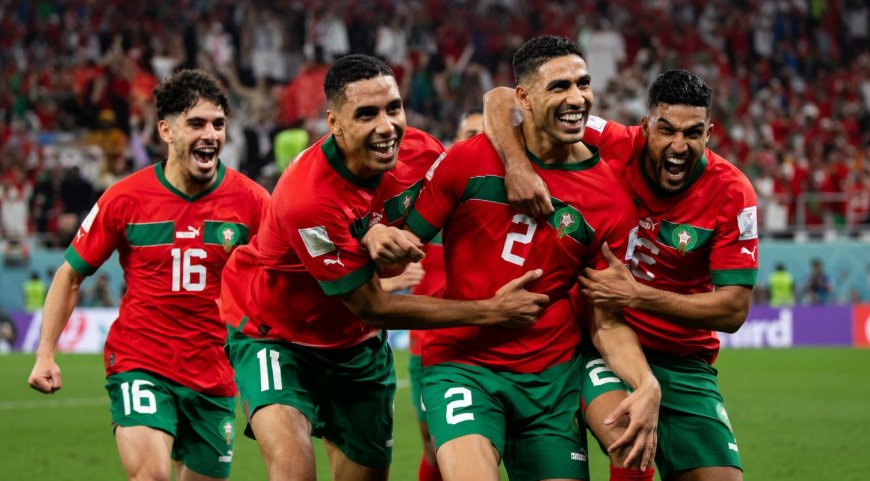
The Confederation of African Football (CAF) has issued one of the most unprecedented rulings in the history of African football by retroactively stripping Senegal of the 2025 Africa Cup of Nations (AFCON) title and awarding it to Morocco. This decision, rooted in disciplinary interpretations rather than on-field results, has sparked widespread debate across legal, ethical, and sporting domains. This article critically examines the sequence of events, the regulatory framework applied, and the broader implications for governance and integrity in African football.
Sport, particularly football, operates at the intersection of competition, regulation, and ethics. The 2025 AFCON final between Senegal and Morocco has become a defining case study in how off-field decisions can override on-field outcomes. While Senegal initially secured victory after extra time, CAF’s Appeals Board later reversed the result, awarding Morocco a 3–0 technical win due to Senegal’s temporary withdrawal from the pitch during the match. (Reuters)
This development raises fundamental questions:
-
Can disciplinary breaches outweigh match outcomes?
-
What role should regulatory bodies play in preserving sporting integrity?
-
And what precedents does this case establish for global football governance?
Background to the Final
The AFCON 2025 final, held in Rabat on January 18, 2026, was already marked by tension and controversy before CAF’s intervention. The match remained goalless during regular time, but late drama unfolded in stoppage time.
A key flashpoint occurred when a penalty was awarded to Morocco following a Video Assistant Referee (VAR) review. Senegal players, disputing the decision, temporarily left the field in protest. The interruption lasted approximately 14–15 minutes before play resumed. (Reuters)
Despite the disruption:
-
Morocco failed to convert the penalty.
-
Senegal regained composure.
-
A decisive goal in extra time secured a 1–0 victory for Senegal. (Punch Newspapers)
At the conclusion of the match, Senegal were crowned champions, marking what was widely celebrated as a legitimate sporting achievement.
Initial CAF Response
In the immediate aftermath, CAF’s Disciplinary Committee opted for sanctions rather than altering the match result. Both teams faced fines and suspensions for misconduct, reflecting the chaotic nature of the final. (Thisdaylive)
Importantly, CAF initially upheld Senegal’s victory, suggesting that:
-
The match had been completed in accordance with the referee’s authority.
-
Disciplinary breaches, while serious, did not invalidate the result.
This position aligned with conventional sporting principles, where the referee’s final decision typically determines the outcome of a match.
The Appeal and Reversal
The situation took a dramatic turn when Morocco pursued further legal action through CAF’s Appeals Board. In a reversal of its earlier stance, CAF ruled that Senegal’s temporary walk-off constituted a violation of tournament regulations.
Citing Articles 82 and 84, CAF concluded that:
-
Leaving the field without authorization amounts to forfeiture.
-
The appropriate sanction is a default 3–0 loss. (Reuters)
As a result, Morocco were officially declared champions, despite losing the match on the field of play.
Ethical and Regulatory Analysis
1. Conflict Between Rules and Sporting Merit
The central ethical dilemma lies in the tension between regulatory compliance and sporting merit. Senegal won the match through competitive performance, yet lost the title due to procedural violations.
This raises a critical issue:
Should administrative rules supersede outcomes determined by athletic performance?
2. Consistency in Governance
CAF’s decision has also drawn scrutiny due to its inconsistency. The governing body initially dismissed Morocco’s protest and imposed fines without altering the result, only to later reverse its position. (TV360 Nigeria)
Such shifts risk undermining:
-
Institutional credibility
-
Transparency in decision-making
-
Trust among stakeholders
3. Proportionality of Sanctions
Another ethical concern relates to proportionality. While Senegal’s actions were widely viewed as unsporting, critics argue that:
-
The match was completed
-
The referee retained control
-
No permanent abandonment occurred
Therefore, stripping a title after the fact may be seen as a disproportionate response relative to the violation.
4. Precedent for Global Football
This case may establish a precedent extending beyond African football. If upheld, it suggests that:
-
Matches can be retrospectively overturned
-
Administrative rulings may outweigh completed results
Such a precedent could influence how disputes are handled by other governing bodies worldwide.
Senegal’s Response and Legal Pathway
The Senegalese Football Federation has strongly opposed CAF’s ruling, describing it as unjust and signaling its intention to appeal to the Court of Arbitration for Sport (CAS). (AP News)
Key arguments likely to be raised include:
-
The final authority of the referee during a match
-
The completion of the game under official supervision
-
The proportionality and timing of CAF’s decision
The CAS process could take months or even years, prolonging uncertainty over the official status of the title.
Broader Implications for African Football
Governance and Trust
The controversy has exposed underlying tensions within African football governance. Allegations of bias and lack of transparency have emerged, potentially damaging CAF’s reputation.
Player Conduct and Discipline
The incident underscores the importance of player and team discipline, particularly in high-stakes matches where emotional reactions can have lasting consequences.
Commercial and Reputational Impact
Major tournaments like AFCON rely on credibility to attract sponsors, broadcasters, and global audiences. Prolonged disputes risk diminishing the tournament’s commercial value and global standing.
What Happens Next?
The next phase of this saga will likely unfold at the Court of Arbitration for Sport. Possible outcomes include:
-
Upholding CAF’s decision – Morocco remains champions.
-
Reinstating Senegal’s title – emphasizing match completion over procedural breaches.
-
Partial rulings – potentially addressing sanctions without altering the title.
Regardless of the outcome, the case will serve as a landmark in sports law and governance.
The AFCON 2025 final controversy transcends a single match, highlighting deeper issues in sports governance, ethics, and legal interpretation. CAF’s decision to strip Senegal of their title and award it to Morocco has ignited debate about fairness, consistency, and the balance between rules and results.
As the case progresses toward international arbitration, its resolution will not only determine the rightful champion but also shape the future of regulatory authority in football. Ultimately, this episode serves as a reminder that the integrity of sport depends not only on what happens on the field but also on how institutions uphold justice off it.