
Japan Plans Major Oil Reserve Release to Cushion Global Supply Shock
Japan has announced plans to release 80 million barrels of crude oil from its strategic reserves starting March 16 to cushion the impact of global supply disruptions linked to tensions involving the United States, Israel, and Iran. The move aims to stabilize domestic fuel prices and ensure energy security as concerns grow over potential disruptions in the Strait of Hormuz.
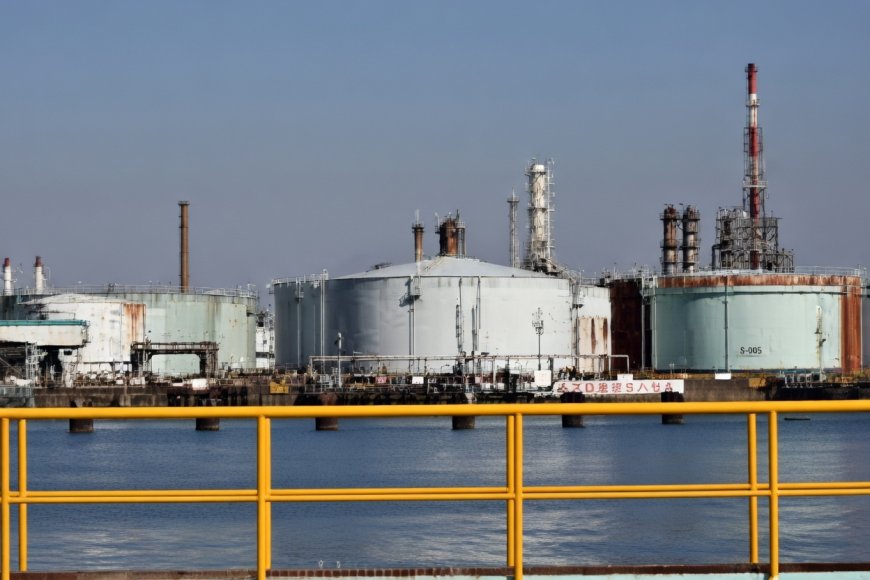
Japan has announced plans to begin releasing crude oil from its national strategic reserves starting March 16, a move designed to mitigate the economic impact of supply disruptions linked to escalating tensions in the Middle East. The decision reflects growing concerns among policymakers in Tokyo about the stability of global oil supplies following the ongoing conflict involving the United States, Israel, and Iran.
Government officials say the release of oil reserves is intended to stabilize domestic fuel supplies and ease rising gasoline prices across Japan, which has been heavily affected by uncertainty surrounding one of the world’s most critical energy transit routes.
The planned intervention represents one of the largest releases from Japan’s emergency reserves in recent history and underscores the country’s continued vulnerability to disruptions in global energy markets.
Record Oil Release to Support Domestic Supply
According to officials, Japan intends to release approximately 80 million barrels of crude oil, equivalent to roughly 45 days of national oil consumption. The release is expected to provide temporary relief to domestic energy markets that have begun experiencing price pressures following supply disruptions linked to Middle East tensions.
As a nation with limited natural energy resources, Japan relies heavily on imported crude oil to meet its energy needs. The government has therefore instructed domestic oil refiners to utilize the released crude oil to maintain stable fuel production and ensure that domestic demand continues to be met.
However, the release will also have a noticeable effect on Japan’s emergency reserves. Analysts estimate that drawing down 80 million barrels will reduce the country’s strategic stockpiles by approximately 17 percent.
Despite the scale of the release, authorities say the measure is necessary to prevent sudden fuel shortages and protect the economy from the volatility currently affecting global oil markets.
Part of a Wider International Response
Japan’s planned action may also form part of a broader international effort to stabilize oil markets. The International Energy Agency (IEA) has reportedly coordinated discussions among major energy-consuming nations regarding the potential release of up to 400 million barrels of crude oil worldwide.
The objective of this coordinated response is to counteract the market shock triggered by supply disruptions in the Middle East and prevent extreme fluctuations in global oil prices.
At this stage, it remains unclear how much of Japan’s announced release will contribute directly to the coordinated international effort. Nevertheless, Tokyo’s decision signals its willingness to support collective actions aimed at maintaining stability in global energy markets.
Impact of Strait of Hormuz Tensions
The geopolitical crisis has raised particular concerns about the security of shipments passing through the Strait of Hormuz, a narrow waterway connecting the Persian Gulf to international shipping routes.
This strategic passage is one of the most critical oil transit corridors in the world, handling roughly 20 percent of global crude oil shipments each day. Any disruption to shipping traffic in this area can quickly send shockwaves through international energy markets.
For Japan, the risks are especially significant. The country imports the vast majority of its crude oil from the Middle East, making it highly exposed to potential disruptions in Gulf supply routes.
As gasoline prices in Japan began rising in response to the conflict, government officials concluded that releasing oil reserves was necessary to prevent further escalation in fuel costs for consumers and businesses.
Strategic Reserves: A Lesson From History
Japan’s extensive oil stockpile system was originally developed in response to the global energy crisis of the 1970s. Following the 1973 oil crisis and the subsequent Arab oil embargo, the Japanese government recognized the importance of building emergency reserves to protect the economy from supply disruptions.
As a result, Japan established its national oil reserve programme in 1978, creating both government-controlled and privately held stockpiles designed to cushion the country against future energy shocks.
Today, Japan maintains one of the largest strategic oil reserve systems in the world. The country currently holds reserves equivalent to approximately 254 days of domestic oil consumption, providing a substantial buffer during periods of market instability.
Phased Release of Oil Supplies
The release of crude oil will occur in several stages, according to the Ministry of Economy, Trade and Industry (METI), the government agency responsible for energy policy.
The first phase will involve releasing approximately 15 days’ worth of oil from private-sector reserves, beginning on March 16. Private oil companies operating in Japan will be permitted to draw from these stockpiles to ensure continued fuel supply to the domestic market.
A second phase will follow later in the month, during which the government will release an additional one month’s worth of crude oil from state-controlled reserves.
Officials say the staggered approach will allow energy companies to gradually integrate the released crude into their refining operations without causing disruptions to existing supply chains.
Oil Reserves Provide Temporary Relief
Energy experts note that while strategic reserves can provide valuable short-term stability, they are not a permanent solution to supply disruptions.
According to industry analysts, reserve releases are primarily designed to buy time while governments seek longer-term solutions to supply shortages.
If tensions in the Middle East persist or worsen, the impact on global energy markets could extend far beyond what emergency reserves alone can address.
Nevertheless, the use of strategic reserves remains an important policy tool for governments seeking to prevent sudden economic shocks caused by fuel shortages or price spikes.
Additional Oil Stored in Japan
Japan’s reserves may extend beyond the crude oil owned by the government and private companies.
Several Middle Eastern oil producers—including Saudi Arabia, United Arab Emirates, and Kuwait—also store crude oil in joint storage facilities located within Japan.
Approximately 12 million barrels of oil held through these arrangements could potentially be released if additional supply becomes necessary. Any such release would be separate from the 80 million barrels already announced by Tokyo.
These cooperative storage agreements allow oil-producing nations to maintain closer access to Asian markets while also providing Japan with additional flexibility during supply emergencies.
Exploring Alternative Oil Sources
Beyond tapping strategic reserves, Japanese authorities are also exploring ways to diversify the country’s oil supply sources.
Officials at the Ministry of Economy, Trade and Industry have reportedly encouraged domestic energy companies to secure crude oil supplies from regions that are less vulnerable to Middle East disruptions.
Potential suppliers include:
-
The United States
-
Countries in Central Asia
-
Producers in South America
-
Gulf exporters able to ship oil through routes that avoid the Strait of Hormuz
Japan has already increased its imports from the United States in recent years. Currently, roughly 4 percent of Japan’s oil supply comes from American producers.
The shift began after Japan significantly reduced oil purchases from Russia following Moscow’s invasion of Ukraine in 2022.
Global Energy Security Concerns
The current situation highlights the fragile nature of global energy supply chains and the risks associated with geopolitical tensions in key producing regions.
Even relatively short disruptions to major oil shipping routes can trigger sharp increases in fuel prices and place pressure on economies that rely heavily on imported energy.
For resource-poor countries like Japan, maintaining strategic reserves remains a crucial component of national energy security.
While emergency stockpiles cannot fully offset long-term supply disruptions, they provide governments with a valuable buffer that allows time for diplomatic, economic, and logistical responses.
Outlook for Energy Markets
As geopolitical tensions continue to influence global oil prices, governments around the world are closely monitoring developments in the Middle East.
Japan’s decision to release oil from its strategic reserves reflects the seriousness with which policymakers view the potential impact of supply disruptions on the global economy.
If the conflict persists or expands, additional coordinated actions by major energy-consuming nations could become necessary to maintain stability in international oil markets.
For now, the release of Japan’s reserves is expected to help stabilize domestic fuel supplies and provide temporary relief to consumers and industries facing rising energy costs.













Comments (0)