Iran Rejects Claims of U.S. Diplomatic Outreach as Regional Tensions Intensify
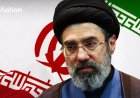
Iran has denied reports that it sought to resume nuclear negotiations with the United States following escalating military tensions in the region. Senior official Ali Larijani dismissed claims of diplomatic outreach amid ongoing hostilities involving Iran, the US, and Israel, as international concerns grow over regional stability and potential wider conflict.
 admin
admin
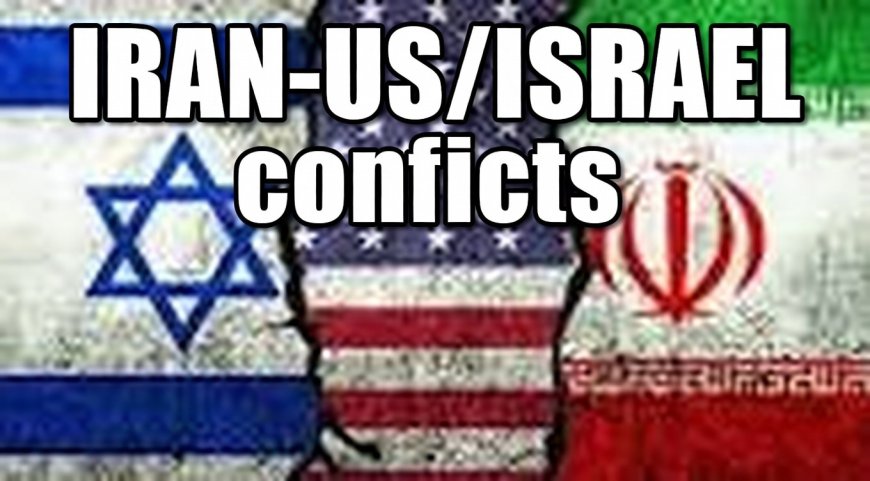
Senior Iranian official Ali Larijani has firmly rejected reports suggesting that Tehran sought to reopen diplomatic negotiations with Washington following recent military developments in the region. His statement comes at a time of heightened tensions, as military exchanges between Iran, the United States, and Israel continue to intensify, raising fears of broader regional instability.
Denial of Diplomatic Overtures
Larijani, who serves as secretary of Iran’s Supreme National Security Council, dismissed claims published by the The Wall Street Journal that he had initiated a renewed diplomatic channel through Omani mediators. The report alleged that outreach efforts were made in the aftermath of the reported killing of Iran’s Supreme Leader, Ali Khamenei, during a joint military operation attributed to U.S. and Israeli forces.
In a public statement shared on social media platform X, Larijani categorically denied the assertions. “We will not negotiate with the United States,” he wrote, seeking to dispel speculation that Tehran was pursuing back-channel diplomacy under mounting military pressure.
The denial underscores Iran’s official stance amid what it describes as sustained aggression. Tehran has maintained that current circumstances do not permit diplomatic engagement, particularly while military operations continue.
Escalating Military Exchanges
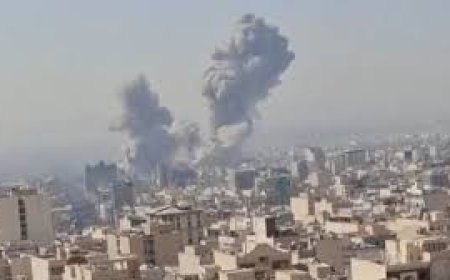
The reported death of Khamenei has marked a significant turning point in the unfolding crisis. Iranian authorities described the strike as a direct assault on national sovereignty, and subsequent retaliatory actions have targeted military and strategic assets across the region. The United States and Israel have continued operations in various parts of Iran, stating that their objectives involve neutralizing perceived security threats.
U.S. President Donald Trump has characterized the campaign as a decisive effort aimed at reshaping Iran’s political and security landscape. However, the scope and duration of the operations remain uncertain, fueling concerns among international observers about the risk of prolonged confrontation.
The U.S. military’s Central Command, known as United States Central Command, confirmed casualties among American service members during recent operations. According to official statements, several personnel were killed and others seriously wounded, highlighting the human cost of the escalating conflict.
Political Repercussions and Regional Fallout
In additional remarks, Larijani criticized U.S. policy in the Middle East, arguing that Washington’s approach has destabilized the region. He contended that American strategic priorities have shifted in ways that undermine long-standing regional balances. While his comments were sharply worded, they reflect broader Iranian claims that recent actions represent a dangerous departure from diplomatic norms.
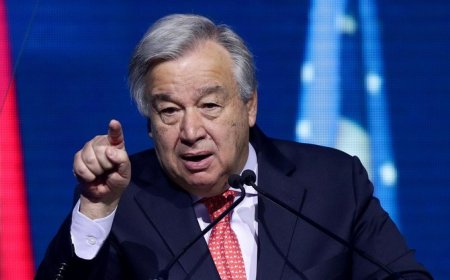
Iranian Foreign Minister Abbas Araghchi has taken the issue to the international stage. In a formal letter addressed to Antonio Guterres and members of the United Nations Security Council, Araghchi described the killing of Khamenei as an unprecedented escalation. He argued that the attack violated fundamental principles of state sovereignty and international conduct, urging the global community to respond.
The correspondence signals Tehran’s attempt to frame the crisis within the context of international law and multilateral diplomacy, even as bilateral engagement with Washington appears off the table for the time being.
Broader Implications for Regional Stability
The ongoing hostilities have reverberated beyond Iran’s borders. Reports indicate that Iranian forces have targeted U.S.-aligned installations in neighboring countries, raising alarms about the possibility of a wider regional conflict. Analysts warn that further escalation could draw additional actors into the confrontation, increasing the risk of sustained instability across the Middle East.
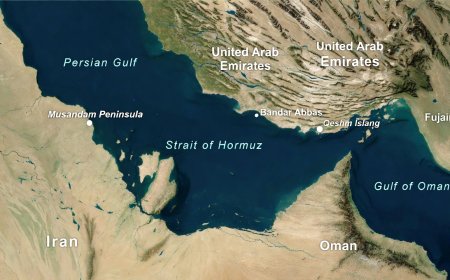
Financial markets have reacted cautiously, with energy prices fluctuating amid fears of supply disruptions. Diplomatic observers note that prolonged military engagement could further strain global economic conditions, particularly if critical infrastructure or transport routes are affected.
At the same time, calls for restraint have emerged from various international quarters. Governments and multilateral institutions have urged de-escalation and renewed diplomatic efforts to prevent further deterioration of the situation.
Uncertain Path Forward
As the crisis unfolds, questions remain about the trajectory of both military operations and diplomatic maneuvering. While Larijani’s statement appears to close the door on immediate negotiations with Washington, the dynamic nature of regional politics leaves open the possibility of future recalibration.
For now, Tehran’s leadership signals defiance rather than conciliation. The interplay between battlefield developments and diplomatic positioning will likely shape the next phase of the conflict, with significant implications not only for Iran and its adversaries but also for regional security and global stability.
In an environment marked by uncertainty and rapid developments, the denial of renewed U.S. talks highlights a central reality: diplomacy remains overshadowed by escalating confrontation, and the prospects for immediate dialogue appear limited.