Middle East Leaders Hold Urgent Talks as Iran Conflict Escalates
Middle East leaders, including Saudi Arabia’s Foreign Minister Prince Faisal bin Farhan, held urgent discussions with regional and European officials to address escalating tensions following US and Israeli strikes on Iran and Tehran’s retaliatory attacks. The talks focused on strengthening regional cooperation, protecting civilians, and promoting diplomatic efforts to maintain international peace and security.
 admin
admin
The rapid escalation of tensions across the Middle East has prompted urgent diplomatic engagement among regional and international leaders. In response to recent military developments involving Iran, high-level officials from the Gulf region, the Middle East, and Europe convened for a strategic dialogue aimed at assessing the situation and exploring cooperative measures to safeguard regional stability.
The virtual meeting brought together foreign ministers and senior representatives from member states of the Gulf Cooperation Council (GCC), alongside officials from Egypt, Lebanon, Iraq, Syria, Türkiye, and Armenia. The discussions were led in part by Saudi Arabia’s Foreign Minister, Faisal bin Farhan Al Saud, who played a central role in coordinating the dialogue among the participating countries.
Rising Tensions After Military Strikes
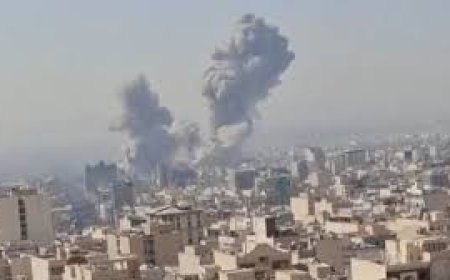
The emergency consultation was organized in response to a wave of escalating hostilities that began nearly two weeks earlier. The situation intensified after coordinated military strikes conducted by the United States and Israel targeted locations within Iran. According to regional reports, the attacks marked a significant turning point in an already fragile geopolitical environment.
In the aftermath of the strikes, Iranian forces reportedly launched retaliatory operations involving missiles and unmanned aerial vehicles directed toward multiple targets across the broader Middle Eastern region. These actions heightened concerns about the potential for the conflict to spread further and threaten both civilian populations and critical infrastructure.
Leaders participating in the teleconference expressed serious concern about the growing instability. They strongly condemned the attacks that have resulted in casualties and damage to civilian facilities, including the targeting of diplomatic missions and vital infrastructure. Officials described such actions as violations of international norms and emphasized the urgent need to prevent further escalation.
International Support and European Participation
The meeting also included senior representatives from the European Union, signaling the international community’s increasing attention to the unfolding crisis. Among those who joined the discussions were António Costa and Ursula von der Leyen.
Both European leaders reaffirmed their solidarity with nations affected by the recent attacks and stressed the importance of collective diplomatic efforts to stabilize the region. They highlighted the need for dialogue, de-escalation, and adherence to international law in order to avoid further deterioration of security conditions.
European officials also reiterated the importance of maintaining global cooperation in addressing crises that threaten international peace. They emphasized that instability in the Middle East can have far-reaching consequences for global security, energy markets, humanitarian conditions, and international trade.
Calls for Coordinated Security Measures
During the meeting, participants examined possible joint initiatives aimed at reinforcing regional security frameworks and protecting civilians from the consequences of armed conflict. Discussions centered on strengthening cooperation among governments, expanding diplomatic engagement, and promoting measures that could reduce the risk of further military confrontation.
Leaders underscored the importance of respecting the principles outlined in the United Nations Charter, particularly those related to national sovereignty, peaceful conflict resolution, and the protection of civilian lives. Many participants argued that adherence to these principles is essential to maintaining stability and preventing prolonged regional warfare.
In addition to condemning the recent attacks, the officials stressed the need to prioritize humanitarian considerations. They called for greater international coordination to ensure that civilians in affected areas receive adequate protection and support.
Diplomatic Outreach by Saudi Arabia
Alongside the multilateral discussions, Saudi Arabia continued its diplomatic outreach through bilateral consultations with key international partners. On Tuesday, Prince Faisal bin Farhan held a series of telephone conversations with several foreign ministers to further discuss regional developments and explore diplomatic avenues for de-escalation.
In one call, he spoke with Abdullatif bin Rashid Al-Zayani, the foreign minister of Bahrain. Their discussion focused on the latest security developments and the importance of close coordination between Gulf states in addressing emerging challenges.
Prince Faisal also held talks with Muhammad Ishaq Dar of Pakistan. Both diplomats emphasized the need for sustained diplomatic engagement and cooperation to promote peace, stability, and constructive dialogue across the region.
In a separate conversation, the Saudi foreign minister spoke with Sergey Lavrov, representing Russia. Their discussion addressed broader international efforts aimed at strengthening global security and preventing further escalation of tensions.
Continued Regional Cooperation
Several senior officials from the Saudi Ministry of Foreign Affairs also participated in the broader diplomatic consultations. These included Abdulrahman Al-Rassi, Nasser Al-Ghannoum, and Talal Al-Enezi.
Their involvement reflects Saudi Arabia’s active role in coordinating diplomatic initiatives and facilitating dialogue among regional and international stakeholders.
Outlook for Regional Stability
The discussions highlighted the growing recognition among global leaders that cooperation and diplomacy will be crucial in addressing the current crisis. As tensions remain high, governments across the region continue to emphasize the importance of dialogue, restraint, and coordinated action.
While the situation remains uncertain, the recent consultations demonstrate a collective effort by regional powers and international partners to prevent the conflict from expanding further. Through continued diplomatic engagement and strategic cooperation, leaders hope to chart a path toward stability and lasting peace in the Middle East.