Ramadan Sermon: JIBWIS Suspends Sheikh Alkali Over Criticism of Tinubu and Governors
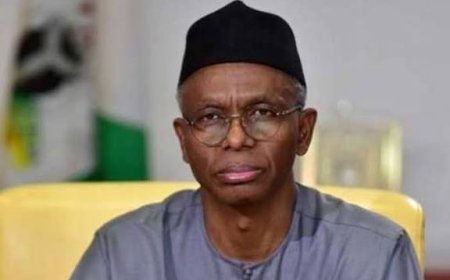
The suspension of Sheikh Alkali Abubakar Salihu Zaria by Jama’atu Izalatil Bid’ah Wa Iqamatis Sunnah (JIBWIS), Jos faction, has sparked widespread reactions across Nigeria. The cleric was suspended after delivering a Ramadan sermon criticizing President Bola Ahmed Tinubu and northern governors over insecurity and governance issues. The development has generated debate on the role of religious leaders in political discourse, freedom of expression, and the intersection of faith and governance in Nigeria.
 admin
admin
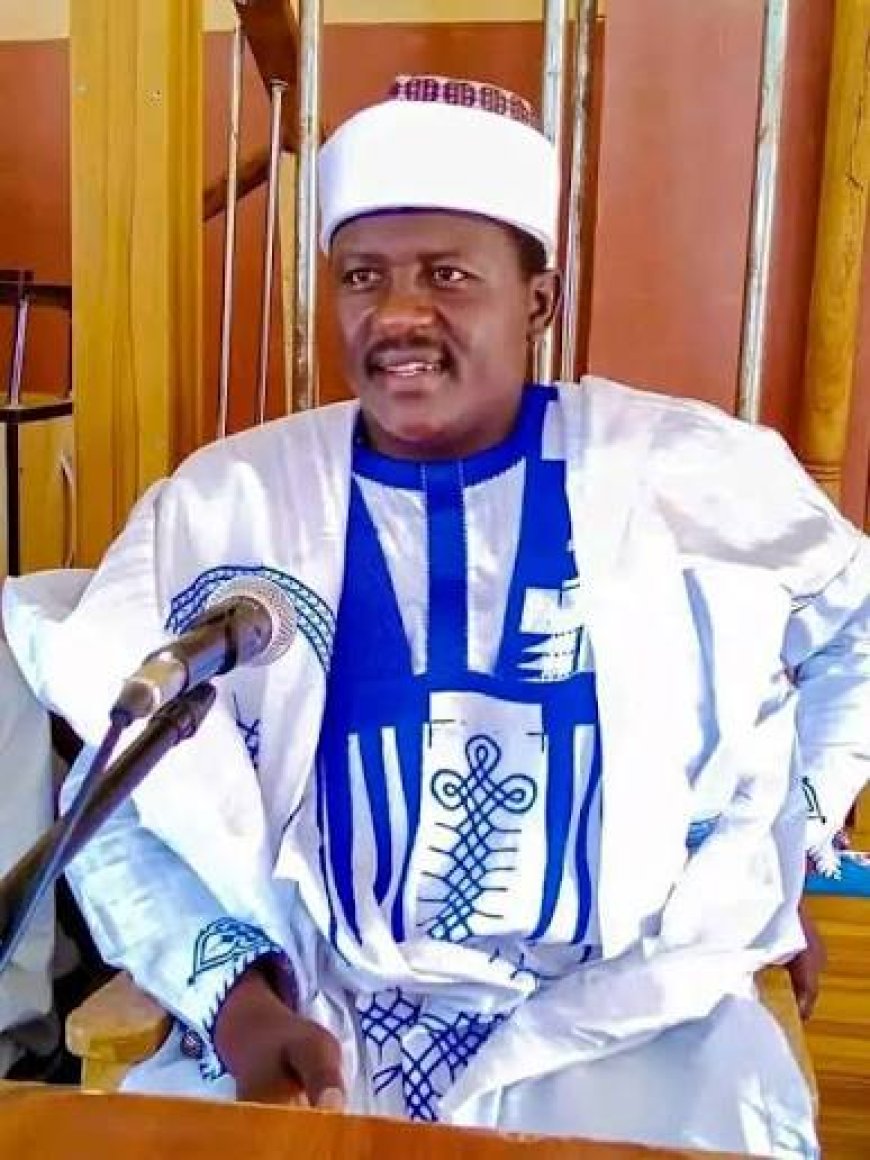
The recent suspension of Sheikh Alkali Abubakar Salihu Zaria by the leadership of Jama’atu Izalatil Bid’ah Wa Iqamatis Sunnah (JIBWIS), Jos faction, has sparked widespread debate across religious and civic spaces in northern Nigeria. The development has drawn significant public attention, particularly as it occurred during the holy month of Ramadan—a period traditionally dedicated to spiritual reflection, moral guidance, and communal solidarity.
Sheikh Alkali, who had been invited to lead Ramadan Qur’anic exegesis (Tafseer) sessions at Mokas Mosque in Damaturu, Yobe State, was suspended following a sermon in which he openly criticized the administration of President Bola Ahmed Tinubu and several governors from the North-West region. His remarks focused largely on the persistent insecurity in parts of northern Nigeria, particularly the continued activities of kidnappers and armed bandits.
Background to the Suspension
According to sources within the organization, the suspension followed a meeting reportedly convened by the National Chairman of the JIBWIS Council of Ulama, Sheikh Muhammad Sani Yahaya Jingir. The meeting was said to have included the cleric himself as well as state and local representatives of the movement in Yobe State.
The leadership of the organization accused Sheikh Alkali of employing language deemed excessively harsh and inconsistent with the group’s established methodology. It was further alleged that his sermon contained strongly-worded criticisms directed at certain individuals in the region, as well as at the President, in a manner considered incompatible with the organization’s approach to religious guidance and public commentary.
JIBWIS, founded in the late 1970s, is known for advocating adherence to what it describes as the Sunnah (the teachings and practices of the Prophet Muhammad). Over the years, it has maintained a structured internal system of discipline and leadership oversight, particularly regarding public preaching and doctrinal positions.
Content of the Sermon
During one of his Tafseer sessions, Sheikh Alkali reportedly expressed deep concern over the deteriorating security situation in northern Nigeria. He criticized what he described as a lack of decisive political will among state governors and influential political actors to curb the violence.
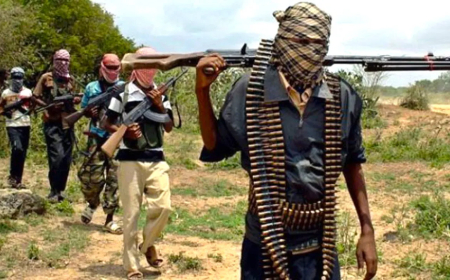
In his sermon, he lamented the plight of kidnapping victims and their families. He described scenarios in which abducted individuals are allegedly held in forest camps while ransom negotiations take place, sometimes under harsh and degrading conditions. His comments reflected frustration over the continued targeting of civilians, including during the sacred month of Ramadan.
Beyond insecurity, the cleric also warned against what he characterized as a growing culture of political fear and blind allegiance. He suggested that some public officials demonstrate greater loyalty to political authorities than to moral and religious accountability. In remarks that later generated controversy, he criticized partisan divisions and questioned the ethical conduct of political leadership.
Observers note that such strong political commentary during religious gatherings is not unprecedented in Nigeria, where clerics often serve as moral voices in public discourse. However, the tone and directness of Sheikh Alkali’s statements appear to have triggered concerns within the leadership of JIBWIS.
Reaction from the Cleric
Following the announcement of his suspension, Sheikh Alkali addressed the development in a message shared on his verified Facebook page. In his statement, he accepted the decision of the organization and urged his followers to remain calm and disciplined.
He described Sheikh Muhammad Sani Yahaya Jingir not only as a religious leader but also as a father figure, emphasizing respect for the organizational hierarchy. The cleric encouraged his supporters to remain steadfast, expressing belief that events unfold according to divine will and wisdom.
His conciliatory tone was interpreted by some observers as an effort to prevent further division within the movement and among his followers.
Public Response and Diverging Opinions
The suspension quickly became a topic of intense discussion on social media platforms, particularly among young Nigerians. Reactions ranged from strong condemnation of the decision to outright defense of the organization’s action.
Some commentators argued that the suspension was unjustified and suggested that religious leaders have a responsibility to speak truth to power, especially in times of widespread hardship and insecurity. They maintained that clerics often represent the moral conscience of society and should not face disciplinary measures for addressing pressing social issues.
Others, however, defended the leadership of JIBWIS, asserting that religious platforms should not be used for what they described as political theatrics. These voices argued that Tafseer sessions are primarily intended for spiritual guidance and scriptural interpretation, rather than political critique.
The debate has also revived broader conversations about the relationship between religion and politics in Nigeria. For decades, religious leaders have played influential roles in shaping political narratives, endorsing candidates, and mobilizing public opinion. While some view this as a natural extension of moral leadership, others caution against the politicization of religious institutions.
Implications for Religious Institutions
The controversy surrounding Sheikh Alkali’s suspension underscores the delicate balance religious organizations must maintain between spiritual instruction and civic engagement. In regions grappling with insecurity, economic challenges, and political tension, sermons that address governance issues often resonate deeply with congregants.
However, religious bodies also face internal pressures to preserve unity, maintain doctrinal consistency, and avoid actions that could expose them to political or legal risks. The leadership’s decision appears to reflect concerns about maintaining organizational discipline and safeguarding its institutional identity.
As Nigeria continues to confront complex socio-political challenges, the role of clerics in public discourse remains a subject of evolving debate. Whether the suspension will have lasting implications for JIBWIS or for Sheikh Alkali’s public standing is yet to be determined.
What is clear, however, is that the episode has reignited conversations about freedom of expression, accountability in governance, and the responsibilities of religious leaders in contemporary society. In a climate marked by insecurity and economic strain, such discussions are likely to persist, reflecting the deep interconnection between faith, politics, and public life in Nigeria.