Iran’s Closure of the Strait of Hormuz Sparks Global Oil Market Turmoil
Rising tensions between the United States, Israel, and Iran have disrupted shipping through the strategically vital Strait of Hormuz, triggering a sharp surge in global oil prices. With tanker traffic reduced, energy markets shaken, and supply chains under pressure, the crisis underscores the geopolitical risks surrounding one of the world’s most critical energy corridors.
 admin
admin
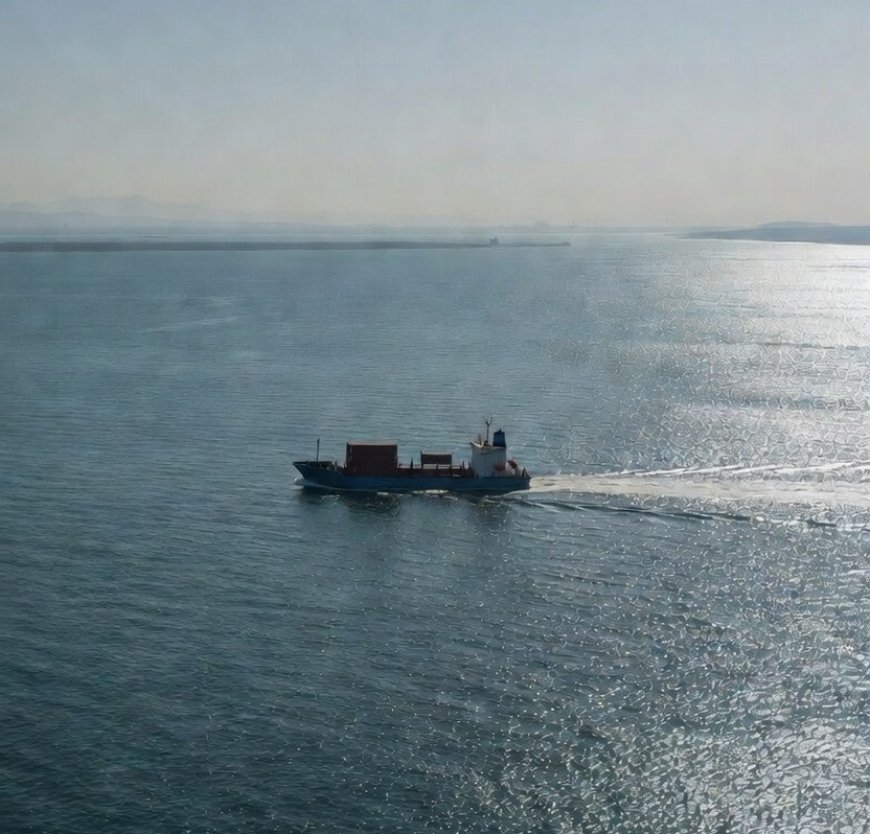
Iran’s Islamic Revolutionary Guard Corps (IRGC) has declared the Strait of Hormuz closed to maritime traffic, warning that any vessel attempting to transit the strategically vital waterway will be attacked. The announcement represents the strongest declaration yet from Tehran in response to ongoing military strikes attributed to the United States and Israel.
Brigadier General Ebrahim Jabari, a senior adviser to the IRGC commander-in-chief, said in state media statements that Iranian forces are prepared to “set those ships ablaze” if they attempt to pass through the narrow chokepoint — a critical artery through which about 20 percent of the world’s daily oil consumption flows.
The declaration came as part of Tehran’s broader retaliation following international strikes that targeted Iranian leadership and infrastructure. In response, Iran has reportedly launched missile barrages at neighboring Gulf states hosting U.S. military installations, intensifying fears of a wider regional conflict.
The escalating military confrontation involving the United States, Israel, and Iran has extended beyond conventional battlegrounds, reaching one of the most strategically sensitive maritime corridors in the world: the Strait of Hormuz. This narrow waterway, situated between Iran and Oman, functions as a primary artery for global energy trade. Recent hostilities have disrupted traffic through the strait, triggering sharp increases in oil prices and intensifying concerns about the stability of international supply chains.
A Strategic Energy Lifeline Under Threat
The Strait of Hormuz is widely recognized as a vital chokepoint in the global energy system. Approximately one-fifth of the world’s daily oil consumption transits this corridor, along with substantial volumes of liquefied natural gas (LNG). Its geographic positioning makes it indispensable for Gulf producers seeking access to Asian and European markets. Any instability in this narrow passage inevitably reverberates across global energy markets.
Following coordinated military actions by the United States and Israel against Iranian targets, tensions in the region escalated rapidly. Iranian forces reportedly targeted oil tankers navigating near the strait, prompting commercial shipping operators to suspend or significantly reduce transit operations. Within days, maritime activity declined dramatically, with industry observers estimating that vessel traffic dropped by as much as 80 percent.
Reports indicate that multiple tankers sustained damage during the incidents, resulting in casualties among maritime personnel. Dozens of vessels remain anchored or drifting near the corridor, awaiting clearer security assurances before proceeding. The interruption has effectively transformed one of the world’s busiest maritime routes into a zone of uncertainty.
Oil Markets React Swiftly
Energy markets responded immediately to the disruption. Oil prices, which had already been trending upward amid mounting geopolitical strain, surged further once hostilities intensified. After hovering around the low $70-per-barrel range late last week, crude prices climbed sharply, surpassing $79 per barrel as traders priced in the heightened risk of prolonged supply interruptions.
Such price volatility underscores the fragility of global energy systems when confronted with geopolitical shocks. Even temporary disruptions in the Strait of Hormuz can create ripple effects far beyond the Middle East, influencing fuel costs, inflation rates, and broader macroeconomic stability worldwide.
Insurance markets have mirrored this uncertainty. War-risk premiums for vessels operating in the Gulf region have risen to multi-year highs, compounding financial pressure on shipping firms. Many insurers have either withdrawn coverage or significantly increased rates, effectively discouraging commercial operators from entering the corridor.
Strategic Signaling and Regional Implications
Iranian military officials have reportedly declared the strait effectively closed, issuing warnings to vessels attempting to transit the waterway. While analysts debate the feasibility of a sustained closure, even temporary blockades carry profound strategic implications.
Maritime security experts suggest that a prolonged shutdown could prove counterproductive for Iran. By restricting a waterway essential not only to Western economies but also to Gulf states and major Asian trading partners, Tehran risks alienating regional actors and expanding the scope of the conflict. Gulf nations, whose economies depend heavily on uninterrupted energy exports, may face mounting pressure to respond diplomatically or militarily if disruptions persist.
At the same time, some vessel tracking data indicates limited movement continues, particularly among ships linked to Iran and key trading partners such as China. In certain cases, operators may have deactivated tracking systems to reduce visibility, although such measures introduce additional safety and compliance risks.
Broader Supply Chain Consequences
The Strait of Hormuz serves not only crude oil markets but also refined petroleum products, jet fuel, and LNG shipments. Approximately 30 percent of Europe’s jet fuel supply either originates from or passes through this corridor. Furthermore, nearly one-fifth of global LNG trade moves via these waters. Any sustained disruption therefore extends beyond crude oil to aviation, manufacturing, and residential energy consumption.
European and Asian economies appear particularly exposed. According to international energy data, nearly 70 percent of crude oil shipped through the strait is destined for Asian markets, including China, India, Japan, and South Korea. These nations rely heavily on stable Gulf exports to support industrial activity and economic growth.
Although the United States has significantly reduced its direct dependence on Middle Eastern crude due to domestic energy production, it remains vulnerable to price fluctuations in globally traded oil markets. Energy prices are determined by international supply-demand dynamics; thus, American consumers and industries are not insulated from price spikes triggered by events in the Gulf.
Logistical Reconfigurations and Cost Pressures
In response to mounting security concerns, several shipping companies have begun rerouting vessels away from the Persian Gulf. Alternative routes, including longer passages around the Cape of Good Hope at the southern tip of Africa, add considerable transit time and fuel costs. These detours may extend delivery schedules by weeks, disrupting just-in-time supply chains that underpin modern manufacturing and retail systems.
Additional financial burdens arise from elevated insurance premiums and emergency contingency measures. War-risk coverage, already costly before the latest escalation, has become significantly more expensive. For shipping operators, these added expenses can amount to thousands of dollars per voyage, costs that are frequently passed along to end consumers.
The timing of the disruption compounds its potential economic impact. Many companies are entering peak procurement cycles for raw materials and holiday-season inventory planning. Interruptions during this critical window could strain global logistics networks, affecting everything from consumer electronics to automotive parts and seasonal retail goods.
Potential Winners and Losers
While energy-consuming sectors—such as transportation, aviation, and manufacturing—face rising costs, energy producers may benefit from elevated prices. The United States, now a net energy producer, could see domestic oil companies record higher revenues in the short term. However, prolonged instability risks undermining global economic growth, which in turn could dampen long-term energy demand.
The central question confronting policymakers and market participants alike is duration. Temporary disruptions, while disruptive, can be absorbed through strategic reserves and inventory management. Sustained hostilities, however, could fundamentally reshape regional alliances, energy flows, and global trade patterns.
An Uncertain Path Forward
The situation in the Strait of Hormuz remains fluid, with diplomatic, military, and economic dimensions intertwined. While some analysts argue that a complete and prolonged closure of the strait is unlikely due to the severe consequences for all parties involved, the current standoff illustrates how quickly geopolitical tensions can destabilize critical infrastructure.
As global markets continue to monitor developments, the Strait of Hormuz once again stands at the center of international attention—a reminder of the delicate balance underpinning global energy security. Whether the confrontation escalates further or gives way to diplomatic de-escalation will significantly shape the trajectory of oil prices, supply chains, and geopolitical alignments in the months ahead.
In a world deeply interconnected by trade and energy dependence, events in a narrow maritime corridor can reverberate across continents. The unfolding crisis underscores the enduring strategic importance of maritime security and the profound economic consequences that arise when geopolitical tensions intersect with global energy lifelines.