Kano Assembly Begins Impeachment Process Against Deputy Governor Aminu Abdussalam Gwarzo
The Kano State House of Assembly has initiated impeachment proceedings against the Deputy Governor of Kano State, Aminu Abdussalam Gwarzo, over allegations of gross misconduct, abuse of office, and diversion of local government funds. Lawmakers claim the alleged financial dealings, which reportedly occurred during his tenure as Commissioner for Local Government, involve hundreds of millions of naira and may constitute a breach of public trust under the provisions of the Constitution of the Federal Republic of Nigeria 1999.
 admin
admin
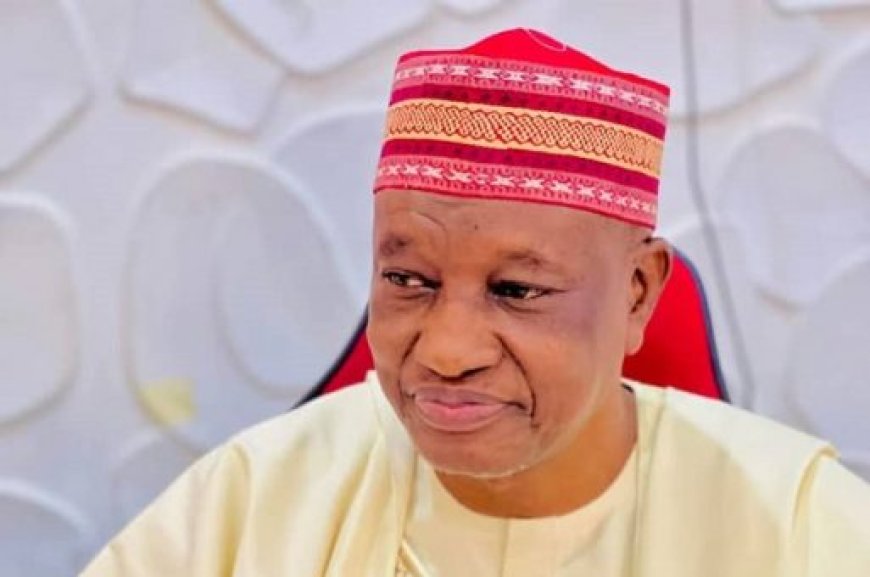
The Kano State House of Assembly has formally commenced impeachment proceedings against the Deputy Governor of Kano State, Aminu Abdussalam Gwarzo, following a series of allegations relating to gross misconduct, abuse of office, and breach of public trust. The legislative action marks a significant development in the political landscape of Kano State and has drawn considerable attention from political observers and governance experts across Nigeria.
Presentation of the Impeachment Notice
The impeachment notice was formally introduced during a plenary session of the Kano State House of Assembly by the Majority Leader, Lawan Hussaini Dala. According to the majority leader, the motion was initiated in accordance with the provisions outlined in Constitution of the Federal Republic of Nigeria 1999 (as amended), specifically Section 188, which stipulates the constitutional procedure for removing a state governor or deputy governor from office.
While addressing fellow lawmakers, Dala explained that the impeachment notice contained multiple allegations connected to Gwarzo’s conduct during his tenure as Commissioner for Local Government between 2023 and 2024, as well as activities linked to his current role as deputy governor. The majority leader emphasized that the accusations constitute actions that may fall within the constitutional definition of impeachable offenses.
Allegations of Financial Misconduct
Central to the impeachment notice are claims that the deputy governor was involved in the diversion of funds allocated for local government administration. According to the Assembly, the alleged financial irregularities occurred while Gwarzo served as Commissioner for Local Government, a position that gave him oversight of the administrative affairs of the state’s 44 local government councils.
The Assembly’s leadership alleged that between June 2023 and January 2024, the deputy governor received a monthly payment of ₦1.5 million from each of the 44 local government areas in the state. Lawmakers described the payments as kickbacks connected to the administration of local government funds.
If accurate, the arrangement would amount to approximately ₦66 million per month. Over a seven-month period, the total sum allegedly received would reach about ₦462 million. Members of the Assembly presenting the motion argued that such financial arrangements undermine transparency in governance and represent a significant breach of public trust.
Additional Payments Linked to “Special Assignments”
Beyond the initial allegations, lawmakers also presented claims that additional payments were made to Gwarzo from local government councils between February and July 2024. According to the majority leader, these payments were allegedly made under the justification of executing “special assignments.”
The Assembly stated that each of the 44 local government councils reportedly contributed about ₦3.255 million monthly during that six-month period. The cumulative amount from these payments was estimated at roughly ₦726 million.
Legislators argued that such payments, if confirmed, would further demonstrate a pattern of financial misconduct and would constitute another serious breach of the ethical and fiduciary obligations expected of public office holders.
Alleged Abuse of Office
In addition to accusations concerning financial diversion, the impeachment notice also includes claims of abuse of office. The Assembly alleged that during his tenure as commissioner, Gwarzo used his official position to facilitate payments totaling ₦10 million from each of the 44 local government councils to a pharmaceutical company identified as NovoMed Pharmaceuticals Limited.
According to the lawmakers, the transaction resulted in a combined payment of approximately ₦440 million. The Assembly claims that the payments were made in a manner inconsistent with the state’s procurement regulations and fiscal management laws.
While presenting the motion, the majority leader stated that the alleged use of public office to confer financial benefits on a private entity constitutes an abuse of authority and contradicts the ethical standards required of public officials.
Constitutional Interpretation of “Gross Misconduct”
The Assembly cited Section 188(2) of the Nigerian Constitution in describing the alleged offenses as acts of “gross misconduct.” Within the constitutional framework, gross misconduct is broadly defined as a grave violation of the constitution or other serious wrongdoing committed by a public office holder.
Lawmakers argued that the alleged diversion of public funds, the receipt of unauthorized payments, and the purported abuse of administrative authority collectively meet the threshold of gross misconduct as defined by the constitution.
According to the majority leader, these alleged actions represent not only a violation of statutory provisions but also a fundamental breach of the principles of accountability, transparency, and responsible governance that underpin democratic institutions.
Legislative Support for the Impeachment Notice
During the session, the majority leader informed the Assembly that the impeachment notice had been endorsed by 38 members of the legislature. This level of support, he noted, satisfies the constitutional requirement for initiating impeachment proceedings.
Following the presentation, several lawmakers voiced their support for the motion. The Speaker of the House subsequently acknowledged receipt of the notice and indicated that the legislative body would proceed with the next steps outlined in the constitution.
Next Steps in the Impeachment Process
Under the provisions of the Nigerian Constitution, once an impeachment notice is served on the office holder, the accused official is given an opportunity to respond to the allegations. If the required majority of the Assembly supports the motion after deliberation, the House may request the Chief Judge of the state to establish an investigative panel.
This panel, typically composed of individuals deemed to possess integrity and professional competence, is tasked with examining the allegations and determining whether sufficient evidence exists to substantiate them. The findings of the panel would then guide the Assembly’s final decision on whether to proceed with removal from office.
Response from the Deputy Governor
At the time this report was prepared, Aminu Abdussalam Gwarzo had not issued a public statement addressing the allegations raised by the Kano State House of Assembly. Political analysts note that his response may play a critical role in shaping the subsequent stages of the impeachment process.
Broader Implications for Governance
The unfolding situation has generated widespread discussion about accountability and financial transparency within state and local government institutions in Nigeria. Governance experts argue that the case could become an important test of constitutional oversight mechanisms and the effectiveness of legislative checks on executive power at the state level.
Observers also emphasize that impeachment proceedings, while political in nature, are fundamentally constitutional processes designed to safeguard democratic governance. As such, the outcome of the investigation will likely influence public confidence in both the legislative and executive branches of government within Kano State.
For now, attention remains focused on the Assembly’s next steps and the anticipated response from the deputy governor as the constitutional process continues to unfold.