Trump Claims “Nothing Left to Hit” in Iran as Strait of Hormuz Crisis Disrupts Global Shipping
Former U.S. President Donald Trump claims that U.S. military strikes have significantly weakened Iran, saying there is “nothing left to hit.” Meanwhile, tensions in the Middle East continue to rise as the Strait of Hormuz faces disruption, threatening global oil supply and international shipping routes.
 admin
admin
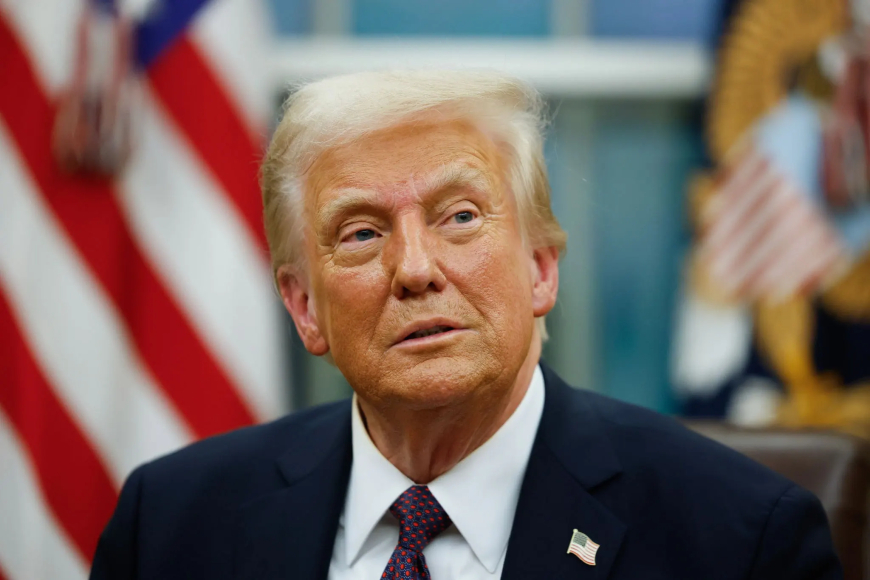
United States President Donald Trump has claimed that U.S. military operations have severely weakened Iran’s military infrastructure, stating that there is “practically nothing left to target” in the country. The remark came amid escalating tensions between the United States and Iran, following weeks of intense military strikes and strategic confrontations in the Middle East. (Axios)
However, despite Trump’s confident assessment of the battlefield situation, the broader conflict continues to have major geopolitical consequences—particularly in the strategically critical Strait of Hormuz. Reports indicate that shipping through the narrow waterway has been severely disrupted, raising concerns about global energy supply and regional security.
Trump’s Claim of Military Success
In recent comments during an interview, President Trump suggested that the U.S. campaign against Iran had significantly degraded the country’s military capabilities. According to the president, Iranian naval assets, air defenses, drones, and missile systems have been heavily targeted in U.S. and allied strikes.
Trump stated that the war appears to be progressing faster than expected, suggesting the campaign could conclude sooner than originally anticipated. “There is practically nothing left to target,” he reportedly said, indicating that U.S. forces have already neutralized many of Iran’s military facilities and operational assets. (Axios)
The administration had initially projected that the military operation could last several weeks. However, officials now say the mission may be ahead of schedule due to the rapid pace of strikes and the destruction of key Iranian military positions.
Rising Tensions in the Strait of Hormuz
While Washington claims major military gains, the situation in the Strait of Hormuz remains extremely volatile.
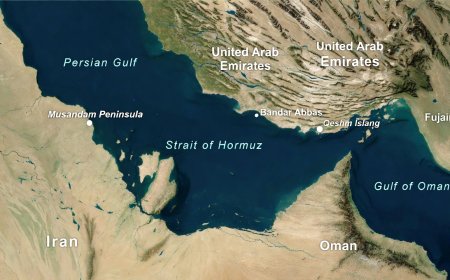
The strait is one of the world’s most important energy chokepoints. Approximately 20% of global oil shipments pass through this narrow corridor each day, making it a vital route for energy exports from the Persian Gulf to global markets. (Anadolu Ajansı)
Iran’s leadership has previously warned that it could restrict or completely halt traffic through the strait if military attacks against the country continue. Such a move would have serious consequences for global oil markets, shipping industries, and economies that depend heavily on Middle Eastern energy supplies.
Reports from intelligence sources suggest Iran may have begun laying naval mines in parts of the waterway. If confirmed, these mines could pose a major risk to commercial vessels and oil tankers traveling through the region. (Anadolu Ajansı)
U.S. Military Response
In response to the potential threat, U.S. forces have conducted strikes against Iranian naval vessels suspected of being involved in mine-laying operations. According to military officials, several Iranian boats believed to be capable of deploying sea mines were destroyed in recent attacks. (New York Post)
The Pentagon has also indicated that it is exploring ways to secure shipping lanes and protect commercial vessels traveling through the area. However, as of now, large-scale escort operations for oil tankers have not yet been widely implemented.
The U.S. government has warned Tehran that any attempt to permanently block the waterway could trigger severe military consequences. President Trump has even threatened that Iran would face retaliation “at a level never seen before” if it attempts to stop oil shipments moving through the strait. (Anadolu Ajansı)
Global Economic Concerns
The instability surrounding the Strait of Hormuz has already begun affecting global energy markets. Oil prices surged sharply amid fears that a prolonged closure or conflict could disrupt the flow of crude oil from the Middle East.
At one point during the escalation, benchmark oil prices briefly climbed close to $120 per barrel, highlighting the sensitivity of global markets to any threats in the region. (New York Post)
Shipping companies have also become increasingly cautious. Some vessel operators are reportedly avoiding the route entirely due to fears of missile strikes, drones, or naval mines. Normally, dozens of ships travel through the strait every day, transporting crude oil, liquefied natural gas, and other vital commodities.
Uncertain Outlook for the Conflict
Despite Trump’s statements suggesting that the war could end soon, military analysts believe the situation remains unpredictable. Iran retains significant asymmetric capabilities, including small naval craft, drones, missile systems, and proxy forces across the region.
Furthermore, any prolonged disruption in the Strait of Hormuz could escalate tensions beyond the current conflict, potentially drawing in other regional or global powers with economic interests in the flow of energy through the Gulf.
For now, the world watches closely as diplomatic and military developments continue to unfold in one of the most strategically sensitive regions on the planet.