Saudi, UAE Leaders Seek Russian Intervention Amid Middle East Security Fears
Russian President Vladimir Putin and Saudi Crown Prince Mohammed bin Salman discuss escalating Middle East tensions following US-Israeli military actions against Iran, as drone attacks in Riyadh and the Gulf raise fears of wider regional instability.
 admin
admin
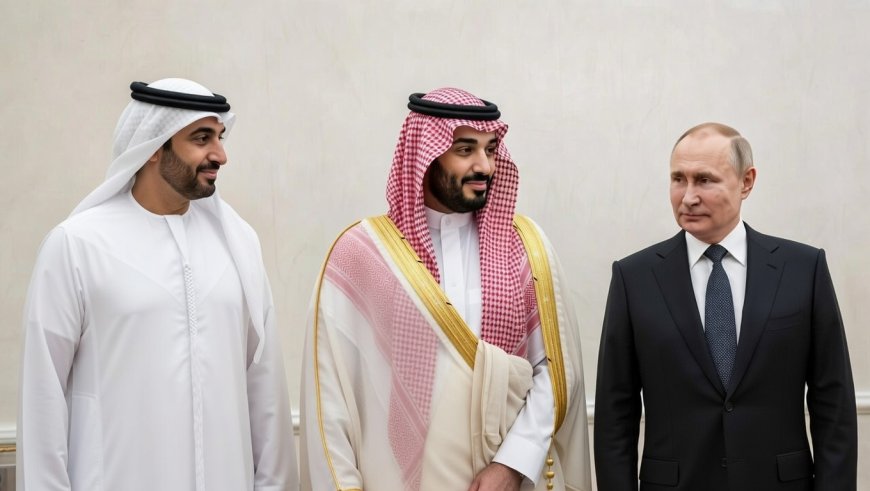
Russian President Vladimir Putin and Saudi Crown Prince Mohammed bin Salman recently held high-level discussions concerning the rapidly escalating tensions in the Middle East following a series of military confrontations involving the United States, Israel, and the Islamic Republic of Iran. The conversation, confirmed by the Kremlin press service, underscored the gravity of the unfolding crisis and the broader implications for regional and global stability.
According to official statements, both leaders voiced deep concern about the potential expansion of hostilities beyond their current scope. The conflict, they noted, has already impacted several Arab states and carries the risk of triggering wider geopolitical instability. The prospect of further escalation, particularly in a region that plays a central role in global energy markets and international security architecture, was described as alarming.
President Putin emphasized that the situation demands urgent diplomatic engagement. He reiterated Russia’s longstanding position that sustainable solutions to regional disputes must be achieved through political dialogue rather than military confrontation. The Russian leader highlighted the importance of de-escalation mechanisms, confidence-building measures, and multilateral engagement to prevent further deterioration of security conditions. In his view, the complexity of the Middle Eastern landscape requires balanced mediation efforts and constructive communication channels among all stakeholders.
Crown Prince Mohammed bin Salman, for his part, reportedly acknowledged Russia’s potential to contribute positively to regional stability. Given Moscow’s diplomatic ties with both Tehran and Gulf Arab states, the Saudi leader suggested that Russia could serve as a stabilizing interlocutor during a period of heightened uncertainty. Such a role, he indicated, would be consistent with broader efforts to prevent the conflict from spreading and to safeguard regional economic and security interests.
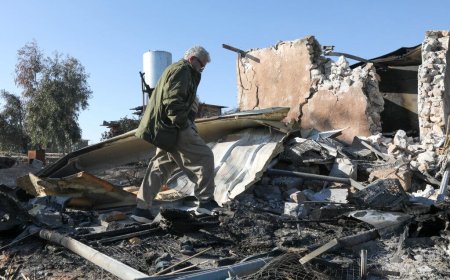
The diplomatic exchange took place amid reports of security incidents across the Gulf region. In Saudi Arabia’s capital, Riyadh, a fire was reported at the United States Embassy compound following what authorities described as a drone strike. The Saudi Ministry of Defence stated that the incident caused minor material damage and that there were no casualties. The embassy building was reportedly unoccupied at the time of the attack. Witness accounts cited by Reuters described smoke rising over the Diplomatic Quarter, an area that houses multiple foreign missions and diplomatic facilities.
Saudi defence officials indicated that air defence systems intercepted several drones targeting the vicinity. While the scale of damage appeared limited, the incident signaled the growing vulnerability of strategic sites across the region. Similar concerns were raised following reports of a drone strike on a fuel tank facility at the commercial port of Duqm in Oman, an infrastructure hub of economic importance to Gulf trade routes. These developments have intensified anxiety among Gulf states hosting American military and diplomatic assets, as they assess potential retaliatory measures linked to broader regional hostilities.
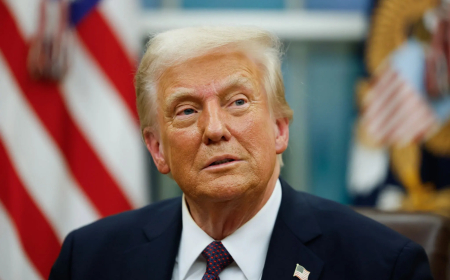
In Washington, President Donald Trump addressed the situation in remarks to the media outlet NewsNation. He indicated that the United States would clarify its response to the embassy incident and to reported casualties among American service members. His comments suggested that further policy decisions or security actions could be forthcoming, though specific details were not immediately disclosed.
International observers have warned that sustained escalation could have far-reaching consequences. The Middle East remains a focal point for global energy supply chains, maritime trade corridors, and strategic alliances. Any prolonged conflict risks disrupting oil markets, raising insurance and shipping costs, and intensifying diplomatic rifts among major powers. Furthermore, the involvement of multiple regional actors increases the complexity of conflict management, making coordinated diplomatic efforts all the more essential.
Analysts note that Russia’s engagement in dialogue with Saudi Arabia reflects a broader strategy of maintaining active diplomatic channels across rival blocs in the Middle East. Over the past decade, Moscow has cultivated relationships with Tehran, Riyadh, Ankara, and other influential capitals, positioning itself as a potential mediator in times of crisis. Whether this diplomatic posture can translate into tangible de-escalation remains uncertain, yet the urgency expressed in the recent exchange highlights the seriousness of the moment.
As tensions continue to unfold, the international community faces mounting pressure to prevent further destabilization. Calls for restraint, dialogue, and adherence to international law have intensified in global forums. The coming weeks are likely to prove critical in determining whether the region moves toward broader confrontation or returns to a path of negotiated engagement.
In this volatile environment, the discussions between Moscow and Riyadh signal a recognition that diplomatic coordination may be indispensable. While the immediate security incidents underscore the fragility of the situation, they also reinforce the necessity of sustained political dialogue to avert deeper and potentially catastrophic consequences for the Middle East and beyond.