
Bandits threaten to attack any Islamic scholar in Kebbi who refuses to pay a ₦100 million levy.
Armed bandits have demanded ₦100 million from Utouno community in Ngaski LGA of Kebbi State, threatening a deadly attack if the payment is not made. Residents are gripped by fear as security agencies intensify efforts to prevent violence.
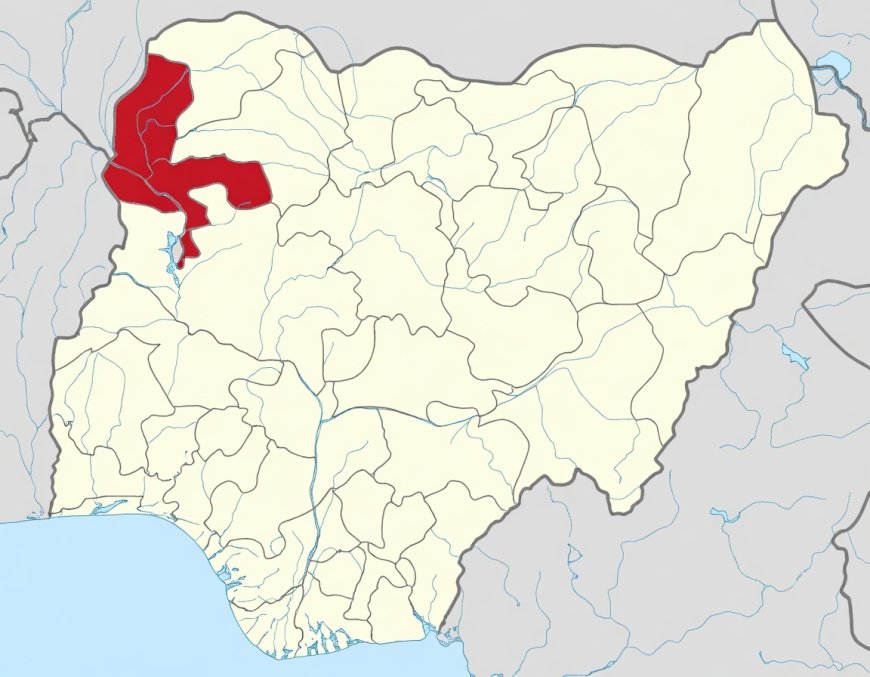
Utouno Community in Kebbi State Faces ₦100 Million Threat from Armed Groups as Residents Flee in Fear
Residents of Utouno community are grappling with an escalating security crisis after armed groups operating in the southern region of Kebbi State issued a chilling ultimatum demanding ₦100 million, warning of a potential attack should their demands remain unmet. Multiple community sources, speaking under the condition of anonymity due to safety concerns, confirmed to journalists over the weekend that the threat has driven families from their homes, seeking refuge in neighboring towns deemed safer.
The warning, communicated through a formal handwritten letter delivered to community leaders about a week ago, underscores the growing peril faced by rural populations in northwestern Nigeria. The letter explicitly discouraged residents from seeking military intervention, claiming that security forces would be unable to prevent any attack should the armed groups decide to act. Residents say the message has thrown Utouno, an agrarian community heavily dependent on farming, into a state of acute anxiety and unrest.
The Letter and Its Menacing Content
According to sources within Utouno, the letter was delivered clandestinely under the cover of darkness to the residence of a prominent community elder. Its contents, later circulated among community leaders and reported to local government authorities, contained detailed demands alongside explicit warnings designed to terrorize residents.
Significantly, the letter referenced a previous attack on Woro community, where multiple fatalities were recorded after residents reportedly ignored a similar threat. This historical reference has compounded fears among Utouno residents, many of whom are familiar with the tragic fate that befell their neighbors.
"They reminded us of what happened in Woro, where people died because they did not take the warning seriously," said Malam Ibrahim Bello, a community leader actively coordinating the response to the threat. "This is not an empty threat. These are people who have demonstrated their capacity for violence, and we have no reason to doubt that they will carry out their promise if our demands are unmet."
Community in the Grip of Fear
Since the delivery of the letter, residents describe sleepless nights, heightened vigilance, and an atmosphere dominated by fear. Abbas Alkali, a local resident, recounted how families have begun temporary relocations to safer towns, while those without alternatives remain, hoping for prompt government intervention.
"People are living in fear," Alkali said. "Those who can leave are doing so. Others, like myself, have nowhere to go and rely on the authorities to provide protection. Every sound at night sends chills through everyone. We are waiting, watching, and praying."
The psychological toll is compounded by the timing of the threat, coinciding with the Muslim holy month of Ramadan. Malam Sa’ad Suleiman highlighted the cruel contrast between a period traditionally devoted to reflection and worship and the pervasive anxiety gripping the community.
"This is Ramadan, a time for spiritual focus and peace," Suleiman said. "Yet we are unable to sleep, unable to pray in peace, constantly fearing what might happen. The letter arrived not to a religious leader but to our community elders, yet its timing feels particularly malicious."
Banditry in Northwestern Nigeria: Historical Context
The threat against Utouno is part of a broader pattern of escalating violence in northwestern Nigeria, where banditry has evolved from opportunistic cattle rustling and highway robbery into a sophisticated, terror-driven campaign targeting rural communities.
Kebbi State, sharing borders with Niger State, Zamfara State, and the Republic of Niger, has increasingly faced incursions by armed groups, particularly in its southern local government areas. The modus operandi of these groups often involves issuing threats, demanding ransoms, and, when ignored, carrying out violent raids, burning homes, and abducting residents.
The reference to the Woro community attack, which occurred roughly eight months ago, serves as a stark reminder of the potential consequences of defiance. Eyewitness accounts from that incident describe gunmen on motorcycles indiscriminately firing into homes, leaving multiple dead before retreating into forests along state borders.
Community Leaders Call for Urgent Intervention
In response to the threat, Utouno leaders have formally notified local authorities, who in turn escalated the matter to the Kebbi State Government and security agencies. Malam Bello stressed the urgency of the situation, emphasizing that each passing day without a visible security presence heightens community vulnerability.
"We have reported this threat to the authorities and have been told the government is responding," Bello said. "But we urge them to act quickly. Every day without protection is another day of fear for our people. We are planning contingencies ourselves, but the government must show immediate action."
Government Response and Security Measures
Ahmed Idris, Chief Press Secretary to the Kebbi State Governor, confirmed that the government is treating the threat with utmost seriousness. He stated that security operatives, including police, military, and civil defense personnel, have been deployed to the area, supported by aerial surveillance to monitor potential movements of armed groups.
"The Kebbi State Government is committed to safeguarding all citizens," Idris said. "No threat will go unaddressed. Security forces are in place to prevent any attack, and joint operations are ongoing to ensure the safety of Utouno and surrounding communities."
Sources familiar with security arrangements indicated that neighboring settlements have also received reinforcement, and patrols are being conducted day and night to deter incursions.
Rural Security Challenges in Northwestern Nigeria
The Utouno incident highlights persistent challenges in protecting rural communities. Vast, often inaccessible terrain, porous borders, and the ability of bandits to exploit forested areas complicate security efforts. Analysts note that the use of letters and formal communication channels by armed groups serves as psychological warfare, creating terror while pressuring both communities and security agencies.
"The letter is strategic," said a security analyst. "It intimidates residents, strains security resources, and creates uncertainty about the groups’ true targets. Referencing past attacks like Woro amplifies fear and undermines confidence in protection measures."
Economic Implications for Agriculture
Ngaski Local Government Area is a predominantly agricultural region, and the threat against Utouno carries severe economic consequences. Displacement disrupts farming cycles, threatens food security, and creates cascading effects on local markets.
"If farmers cannot work their fields, the entire local economy suffers," said a local agricultural extension worker. "Families lose income and food supplies. Prices rise, and bandits exploit the disruption. It is a vicious cycle that perpetuates poverty."
The threat coincides with the pre-planting season, raising concerns about a potentially lost agricultural year for the community, which could have long-term repercussions on food security in the region.
Voices from the Community
Despite the pervasive fear, residents articulate their determination and expectations clearly. Malam Sa’ad Suleiman emphasized that their primary request is basic protection: the ability to live in peace, farm their land, and raise their families safely.
"All we ask is to live safely in our homes and tend to our farms," he said. "Is that too much to ask of our government?"
Another resident, who requested anonymity, shared the painful dilemma of families torn between safety and responsibility to vulnerable relatives.
"My brother left with his family, but I cannot leave my frail mother. We remain, listening and praying each night, hoping to survive another day. This is no way to live, but we have no choice."
Looking Ahead: The Need for Sustainable Solutions
While immediate security deployments are essential, analysts stress that long-term solutions to banditry require addressing poverty, weak governance, lack of opportunity, and arms proliferation. Civil society activists argue for proactive measures to build community trust, strengthen intelligence, and create economic alternatives to reduce the appeal of armed groups.
For Utouno residents, however, survival remains the priority. As Abbas Alkali summed up:
"We have done our part by informing authorities. Now we wait and pray that tomorrow brings peace, not violence. This is our reality—hoping, watching, and trusting that those responsible for our protection will not fail us."












Comments (0)